Logo
Wyoma Square service

Water Damage Removal in Wyoma Square, Done Right

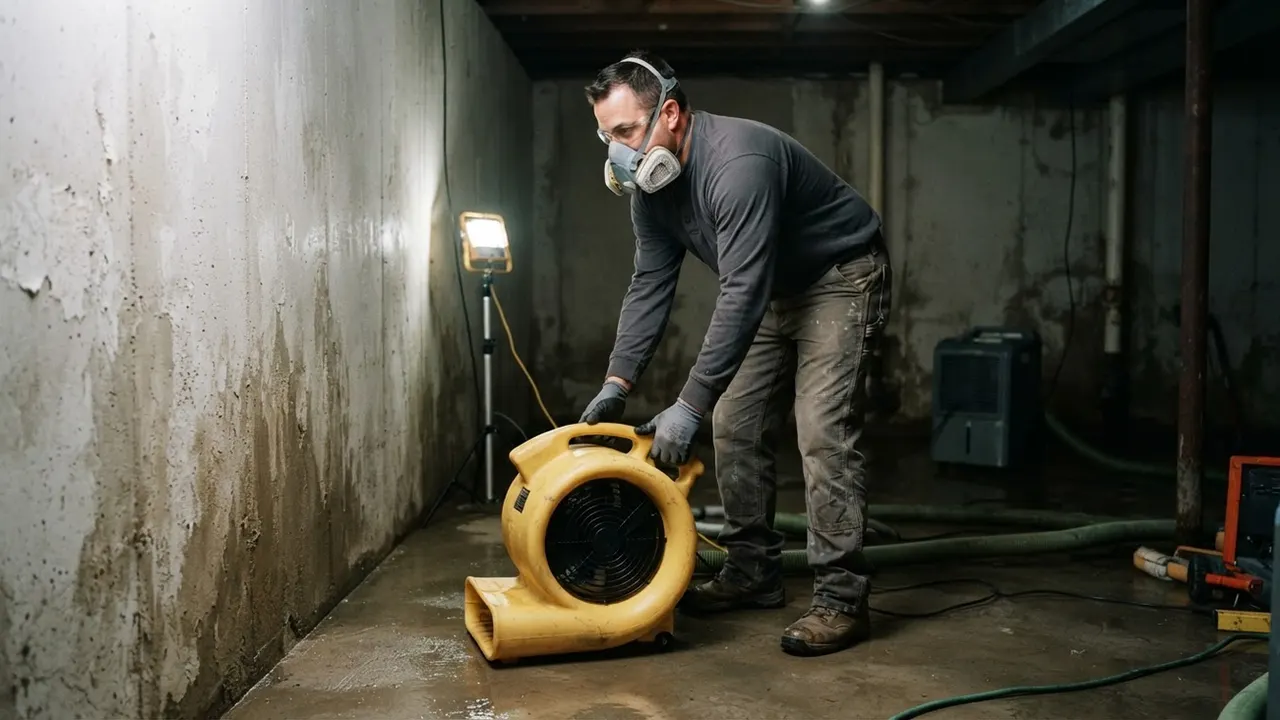
Water Damage Removal in Wyoma Square starts with stopping the source, removing standing water, and checking where moisture traveled. Our water damage removal Wyoma Square MA service addresses basement flooding, pipe breaks, and rainwater entry in older homes near Lynn Woods Reservation. We explain the work plainly, protect unaffected rooms, and use measured drying rather than guesswork so you can move from cleanup to repairs with a clear record.

24/7
Phone support
01905
Local service ZIP
Rain and basement seepage
October focus

Wyoma Square overview

Water Damage Removal in Wyoma Square

Why we work here

Wyoma Square has a mix of established homes, finished lower levels, and properties where water has more than one route inside. Rainfall runoff from nearby slopes can press against foundations, while window wells can collect water during sustained rain. In winter, seasonal freezing can stress water supply pipes, turning a small split into wet ceilings, walls, and floors. We serve this area because these problems call for careful moisture checks, not just a quick mop-up. Our nearby work around Pine Hill and Highlands also helps us understand how local home layouts affect access, drying equipment placement, and homeowner routines. You get local service built around the conditions your property actually faces.

A dry, safer home starts with clear next steps.

Water Damage Removal in Wyoma Square is a property recovery service that removes unwanted water, dries affected building materials, and helps prevent further damage after leaks or flooding. In Wyoma Square, older homes and finished basements can hide moisture behind plaster, under hardwood flooring, or beneath carpet padding. We inspect the wet area, identify the likely source, and set a practical plan around the building rather than treating every room the same. Our crews serve Wyoma Square alongside West Lynn, Pine Hill, and Highlands, with nearby calls often involving basement flooding, seasonal pipe stress, or stormwater entry through foundations and window wells. Wyoma Square water damage removal begins with extraction using the right equipment for the amount of water and access. We then track moisture readings and explain what needs drying, removal, or repair. We work in Essex County, where heavy rain after dry spells and freezing winter nights can expose weak points in a home. You get a clear sequence: stop the water, extract it, dry the structure, and document the affected areas. We keep the focus on your home and the next useful step.
Services available

Water Damage Removal Services for Wyoma Square

Wyoma Square homes need water cleanup for sudden pipe failures as well as rainwater that finds a path through foundations and window wells. We match the response to the source, affected rooms, and materials, then check moisture beyond what you can see. If a lower level is taking on water, our same-day water extraction service in Wyoma Square focuses first on safe access and standing water, followed by a drying plan. We also handle roof leaks, flooring damage, and repairs after the structure is dry.

How we work locally

How We Handle Wyoma Square Water Damage

Challenge: Rain runoff from nearby slopes can push water toward basement walls

Water can enter through foundation joints, low basement openings, and window wells, then spread beneath stored items or finished flooring. A small visible puddle may be only one part of the affected area, so extraction alone will not show whether wall cavities or subfloor materials remain wet.

Response: We trace the likely entry point and inspect the perimeter, floor edges, and nearby wall materials. After removing standing water, we take moisture readings at multiple points and place drying equipment where it can reach the affected assembly. We also document where runoff entered so you can address the exterior path after interior cleanup.

Challenge: Seasonal freezing can stress older water supply pipes

A pipe leak can release water inside a wall or above a ceiling before a stain appears. Older layouts and later renovations can make shutoff access less direct, while water travels down framing and emerges in another room. Delayed discovery increases the chance of wet insulation and concealed damage.

Response: We help identify the wet route, remove accessible water, and inspect connected rooms rather than stopping at the first stain. Moisture readings guide whether a small inspection opening is needed. We dry the affected framing and adjacent materials, then coordinate the recovery sequence around plumbing repairs and finish work.

Nearby neighborhoods

Wyoma SquareWest LynnPine HillHighlandsLynn Woods areaSagamore Hill

Wyoma Square service area

Wyoma Square

Latitude: 42.4752

Extract Directions

Local work examples

Project example: 1

Wyoma Square

Problem

A Wyoma Square basement took on rainwater through a low foundation opening, wetting stored items, carpet padding, and the bottom edge of finished wallboard.

Work

We removed standing water with a portable extraction pump, separated wet contents from the affected floor area, and checked the lower wall and floor perimeter for hidden moisture. We removed saturated padding where it could not be dried in place, then set air movers and a dehumidifier. Readings guided follow-up checks and helped establish when the remaining materials were ready for repair.

Outcome

The customer received a documented affected-area map, a drying record, and a clear repair sequence. No unsupported percentage or completion time is assigned; the actual readings and material condition determine when the space is ready.

Project example: 2

Highlands

Problem

A seasonal pipe leak in a Highlands home affected a ceiling, an adjoining plaster wall, and hardwood flooring before the source was shut off.

Work

We assessed the ceiling and connected wall cavity, extracted accessible water, and protected unaffected rooms. A moisture meter helped identify where the leak had traveled beyond the visible stain. We dried the affected structure with controlled airflow and dehumidification, then listed the materials that required repair after readings stabilized.

Outcome

The homeowner received a room-by-room record of wet materials and follow-up readings, with the repair sequence separated from active drying. That gave the plumber and finish-repair work a clear handoff without guessing at concealed moisture.

How we verify
How we verify

Measured Results in Wyoma Square Homes

Drying backed by readings

A useful restoration record shows what was wet, what was removed, and how drying progressed. In Wyoma Square homes, we commonly address basement seepage after rain, burst pipe water damage, and roof leak water intrusion. We document affected rooms and compare moisture readings over time rather than calling a space dry because the floor feels cool or the wall looks clean. For Wyoma Square water damage removal, a moisture meter supports decisions about equipment placement and when materials are ready for repair. We do not publish invented job totals or success rates. Your technician can explain the readings recorded at your property, show which areas remain under active drying, and identify the next check. That gives you a practical basis for discussing repairs and communicating the damage history to your insurer.

24/7
Call availability

Local questions

Who provides water damage removal in Wyoma Square?

Water Restoration Pros provides water damage removal in Wyoma Square, including extraction, structural drying, and cleanup after leaks or flooding. Call 781-288-8068 to describe the source, affected rooms, and whether water is still entering. We serve the 01905 area and nearby Lynn neighborhoods, then explain the next steps based on the materials and moisture readings at your home.

How quickly can water extraction reach a home in Wyoma Square?

We confirm an arrival window when you call; timing depends on the active schedule, traffic, and your exact address. For a same-day water extraction service in Wyoma Square, tell us whether standing water is spreading, the approximate depth, and which entrance is accessible. Shut off the source if safe, keep clear of electrical hazards, and avoid walking through contaminated water while help is arranged.

Is 24/7 flood damage cleanup available in Wyoma Square MA?

Yes, you can call 24/7 for flood damage cleanup in Wyoma Square MA, including basement flooding and stormwater entry. We first confirm that the area is safe to enter, then assess the water source and begin extraction when appropriate. Rain runoff and window-well entry are common concerns here, so tell us where water entered and whether a drain or sewage backup is involved.

Training and compliance

Credentials That Support the Work

We approach Wyoma Square water losses with documented moisture checks, safe work practices, and clear separation between restoration and repair. Our technicians use relevant IICRC training, follow OSHA safety training principles, and consider lead-safe requirements before disturbing painted surfaces in older homes. Water restoration is not a substitute for plumbing or electrical repair, so we identify when a qualified trade needs to stop the source or make a system safe. Repair work follows applicable Massachusetts requirements, including Massachusetts Home Improvement Contractor registration where required. We explain the affected materials and the next step in direct terms.

Massachusetts Home Improvement Contractor registration
EPA Lead-Safe Certification
IICRC Water Damage Restoration Technician Institute of Inspection, Cleaning and Restoration Certification
When To Call

When to Call for Wyoma Square Water Cleanup

Call for water damage removal when you see standing water, a spreading ceiling stain, a soft floor, or a musty smell after a leak. In Wyoma Square, basement flooding after runoff and pipe failures during freezing weather deserve prompt attention because water can move behind walls before the surface changes. If you need 24/7 water damage removal near me in Wyoma Square MA, call as soon as the source is stopped or the water is safe to approach. We can assess what is wet and begin a measured recovery plan.

1. Water pooling beside a basement wall

Pooling near a foundation can signal stormwater seepage through a joint, opening, or window well. Move belongings away if you can do so safely, and call if water continues to enter. The wet perimeter may extend beneath flooring or into the lower wall, so extraction should be followed by moisture checks.

2. A ceiling stain grows after a pipe leak

A growing stain means water may still be moving through the ceiling or wall cavity. Do not assume the leak stopped because the surface is no longer dripping. We check connected rooms, remove accessible water, and use readings to determine whether insulation or gypsum board is affected.

3. Hardwood boards cup or lift

Cupping, raised edges, or gaps can indicate moisture beneath hardwood flooring or in the subfloor. The damage may continue even after visible water is gone. Prompt assessment helps determine whether controlled drying is possible or whether sections need removal before additional layers are affected.

4. A musty odor follows basement seepage

A persistent odor after water entry can point to damp porous materials or hidden moisture. Check carpet edges, stored textiles, and the bottom of walls, but avoid disturbing suspect materials. We identify the affected area, dry what can be retained, and address materials that remain wet.

5. A supply pipe freezes or bursts

A frozen or split pipe can release water inside a wall, ceiling, or cabinet, often spreading beyond the first visible puddle. Shut off the water if it is safe and call for cleanup. Extraction and a cavity check reduce the chance of leaving wet insulation or framing behind.

Local Problem Patterns

Common Wyoma Square Water Damage Problems

Older homes around Wyoma Square can contain plaster, gypsum board, wood framing, and newer floor assemblies in one property. That mix makes water behavior less obvious: a basement puddle may extend under flooring, while a ceiling leak can travel along framing before appearing elsewhere. Heavy rain, runoff from nearby slopes, and seasonal freezing contribute to recurring calls. Our water damage restoration near Wyoma Square starts by identifying the source and the affected materials, then matching extraction and drying to the structure.

Logo

Basement flooding after runoff reaches foundation openings

Why it happens here

Rainfall runoff from nearby slopes can collect beside a foundation and enter through joints, low openings, or window wells. Water then spreads across basement floors and may wick into wallboard, carpet padding, or stored belongings. A surface mop does not remove moisture from those assemblies.

Our approach

We extract standing water, inspect the entry area and surrounding materials, and document moisture readings across the basement. Saturated porous items are removed when needed, while suitable materials are dried with controlled airflow and dehumidification. We also identify the path so you can address the exterior source.

Logo

Burst pipe water damage during freezing winter nights

Why it happens here

Seasonal freezing can stress water supply pipes, particularly where plumbing runs near cold exterior walls or unheated areas. A small split can continue releasing water until the line is shut off, soaking insulation and framing before a stain becomes visible. Older homes may have several renovation layers that hide the route.

Our approach

We help locate the affected rooms, remove accessible water, and check connected wall and ceiling areas. Moisture readings guide drying and any selective opening needed to reach wet materials. Once plumbing repairs stop the source, we continue monitoring until the structure is ready for finish work.

Logo

Roof leak water intrusion into plaster ceilings and insulation

Why it happens here

Wind-driven rain, damaged roof coverings, and debris can allow water into attic or ceiling assemblies. In older Wyoma Square properties, plaster may hold moisture while insulation above it remains wet. Water can also travel along framing, leaving the visible stain away from the entry point.

Our approach

We protect contents, assess the ceiling and nearby walls, and check for moisture beyond the stain. We remove water where accessible and dry retained materials with appropriate equipment. If saturated insulation or ceiling material cannot be dried effectively, we identify it for removal after the source is controlled.

Logo

Stormwater entry through basement window wells

Why it happens here

A window well can collect water during heavy rain, and a blocked drain or weak seal can allow it into a below-grade room. Water may reach flooring and lower drywall before anyone notices. The surrounding foundation and drainage conditions affect whether the problem repeats during later storms.

Our approach

We remove the water, check the well-side wall and floor edge, and inspect nearby contents and materials. We dry the structure based on measured moisture and distinguish clean stormwater from water affected by drains or sewage. You receive a clear record of the interior damage and the entry area.

Local Pricing

Water Damage Removal Costs in Wyoma Square

Typical 2026 pricing in Wyoma Square depends on water volume, affected materials, access, and how long drying equipment is needed. Small, contained extraction jobs may fall around $500-$1,500; broader basement cleanup with removal and several days of drying can run roughly $2,000-$6,000 or more. These are planning ranges, not a quote for your property. Wyoma Square water damage removal costs rise when water has reached wall cavities, insulation, hardwood flooring, or multiple rooms. Sewage contamination and extensive material removal require additional protective cleaning steps. We give upfront pricing before work proceeds and explain which tasks affect the total.

Availability in Wyoma Square: Water damage calls in Wyoma Square are accepted around the clock, and you can call 781-288-8068 when water is actively spreading. Response timing depends on the current schedule, traffic, and the address, so we confirm an arrival window directly. We prioritize active leaks, standing water, and safety concerns, then arrange follow-up drying checks as the readings require. October and winter weather can bring heavier rain or pipe stress, so early calls help us start containment and extraction sooner.

1

Water volume and area

A few inches of water in one accessible room takes less extraction time than water spread across a basement and adjoining storage area. In Wyoma Square homes, floor layout and stairs also affect equipment handling. The affected square footage and water depth shape labor, equipment, and cleanup needs.

2

Materials and concealed moisture

Carpet padding, insulation, plaster, and hardwood flooring respond differently after saturation. If moisture has entered wall cavities or subfloor layers, technicians need added checks and drying time. Removing unsalvageable materials can increase the total, while successful in-place drying can reduce demolition and replacement work.

3

Contamination and access

Clean supply water differs from sewage backup or contaminated floodwater, which requires additional protective equipment and cleaning procedures. Tight basement stairs, limited parking, and long carry distances can also add labor. We assess these conditions at the property and explain their effect on the work.

Year-Round Coverage

Seasonal Water Damage Risks in Wyoma Square

In October, Wyoma Square homeowners should watch for rainwater around foundations and basement window wells as wetter weather arrives. Winter then brings freezing nights that can stress exposed supply pipes. Spring thaw and rain can keep lower levels damp, while summer storms may create sudden roof leaks or runoff. If you need emergency flood cleanup for homes in Wyoma Square, early water removal limits how long porous materials stay wet. We adjust extraction and drying to the season, water source, and construction.

Spring

Spring rain and thaw can saturate soil and push water toward foundations, especially around basement openings and window wells. Older homes may show seepage at floor joints or damp lower walls. If winter left a small pipe leak unnoticed, the first warm spell can reveal stains or odors.

Tip

Check window wells and basement corners after prolonged rain, and move stored items off the floor. If water enters, photograph the affected area and call before wet materials remain in place.

Summer

Summer storms can bring short, intense rainfall, roof leaks, and water entry around doors or foundations. Warm indoor conditions do not dry enclosed framing reliably; hidden moisture can remain in insulation or flooring. Appliance and plumbing leaks also occur year-round.

Tip

After a storm, check ceilings, attic access points, and basement edges. Do not cover a fresh stain with paint; identify the source and have wet materials checked before repairs.

Fall

October marks a shift toward cooler nights and heavier seasonal rain. In Wyoma Square, runoff may collect near foundations while falling temperatures make vulnerable pipes worth checking. Roof leaks can appear as rain continues, and basement seepage may begin before a large puddle forms.

Tip

Clear visible debris from safe, accessible drainage points and watch window wells during rain. If a basement wall or floor becomes wet, call promptly so we can locate the entry path and measure affected materials.

Winter

Freezing conditions can stress supply pipes in cold areas of a home, leading to a sudden leak when water flow resumes. Water may spread through ceilings, wall cavities, and floors before it becomes visible. Snowmelt and winter rain can also test basement openings.

Tip

Know where your main shutoff is and use it if a pipe breaks and access is safe. Call for extraction and drying after the leak is controlled; concealed moisture needs readings, not guesswork.

Hiring Smart

Questions to Ask Before Hiring Locally

A good Wyoma Square restoration contractor explains how water will be removed, how hidden moisture will be checked, and what happens after extraction. Ask about training, documentation, and who handles repairs. The answers should be specific to your home, especially if it has plaster, hardwood, a finished basement, or an older pipe layout. You should also know who to call if readings remain elevated or another wet area appears during drying.

  1. 1

    "How will you find water behind my basement wall?"

    Why it matters

    A strong answer includes a visual inspection, moisture readings, and a clear explanation of where additional checks are needed. A contractor who promises to dry everything without measuring may overlook wet insulation or framing. In Wyoma Square basements, the entry point and the hidden path are not always the same.

  2. 2

    "What equipment will you use for my water loss?"

    Why it matters

    The contractor should match extraction and drying tools to water volume, room access, and materials. A pump may remove standing water, while air movers and dehumidifiers support structural drying. You should hear how readings will guide equipment placement rather than receive a one-size-fits-all setup.

  3. 3

    "How do you decide whether flooring can be dried?"

    Why it matters

    The answer should address the full floor assembly, including hardwood, underlayment, and carpet padding where present. Surface appearance alone cannot show whether moisture remains below. A careful contractor explains what readings and material condition determine whether drying or selective removal is appropriate.

  4. 4

    "Are your technicians trained in water restoration?"

    Why it matters

    Ask about relevant training such as IICRC Water Damage Restoration Technician and Applied Structural Drying credentials. Training supports consistent handling of water categories, drying principles, and documentation. You can also ask who supervises the work and how progress is recorded for your property.

  5. 5

    "What happens if the water came from a drain backup?"

    Why it matters

    A sewage or drain backup requires different protective measures and cleaning than a clean supply-line leak. A qualified contractor should distinguish the source, explain affected materials, and use appropriate containment and sanitation methods. That answer matters before anyone begins moving wet contents through your home.

Knowing the Area

Local Landmarks That Help Us Orient

Wyoma Square is our reference point for organizing nearby Lynn service calls, but the property address and access notes determine the route. Lynn Woods Reservation helps orient calls on the western side, while Breed Middle School and Walsh School are familiar local references when customers describe nearby streets. Tell us whether the best access is from the front, side, or basement entry. For equipment carry-in, a clear path and a safe parking spot make setup more efficient.

Landmarks

  • Wyoma Square

    The square gives customers and our crew a clear local reference when arranging service in the surrounding residential area. We still confirm the exact address, entry point, and equipment access before arrival.

  • Lynn Woods Reservation

    This landmark helps orient calls on the nearby western side of Lynn. Homes in that direction may report roof leaks or rainwater entry, so we ask about the affected room and the route water took.

  • Breed Middle School

    Breed Middle School is a recognizable reference for customers describing nearby locations. Sharing a landmark along with your address helps clarify the approach, especially when a basement entrance differs from the main door.

Commercial Districts

  • Wyoma Square local shops

    Small businesses and residences near the square can need water removal after plumbing failures or stormwater entry. We plan around customer access, stock protection, and keeping unaffected areas separate from active cleanup.

  • Highlands neighborhood business streets

    Local storefronts and mixed-use properties can have water-sensitive floors, stock, and shared walls. We identify the affected area, remove water, and keep a record that supports repair planning without interrupting more space than necessary.

Transport & Access

  • Lynn station

    Lynn station provides a familiar transit reference within the city. For a Wyoma Square service visit, we route by the property address and confirm where equipment can be unloaded safely.

  • Route 1A

    Route 1A is a regional access reference for Lynn-area calls. Exact travel time varies with traffic and the address, so we confirm an arrival window directly and plan for equipment carry-in.

Service Area

Water Damage Removal Coverage Across Wyoma Square & Essex County

Routine and same-week appointments for residents and businesses across Essex County, including the ZIP codes below.

019050190401902019010190301910
!

Call for Water Damage Removal in Wyoma Square

If water is spreading through your Wyoma Square home, call us and tell us what happened, where water entered, and whether it is still active. We will help you take the next safe step, arrange an arrival window, and explain how extraction and drying will proceed. Our technicians use moisture readings to guide the work and keep the recovery plan focused on your property. Call 781-288-8068 now.

Call now
Call Now: 7812888068