Logo
Pine Hill service

Water Damage Removal in Pine Hill for Homes

Water Damage Removal in Pine Hill starts with stopping the source, removing standing water, and finding moisture that can hide beneath flooring or inside walls. Our local team handles basement seepage after heavy rain, roof leaks, and burst pipes in homes across Pine Hill, Massachusetts. We explain the next steps clearly, protect unaffected areas, and keep you informed as your home dries.

24/7
Phone support
01905
Service ZIP
Rain and runoff
Fall focus

Pine Hill overview

Water Damage Removal in Pine Hill, Done Locally

Why we serve Pine Hill

Pine Hill's wooded, hilly surroundings affect where rainwater travels. During intense rain, runoff can expose foundation drainage problems, especially around homes with basements. We help residents respond to water at the source and limit damage to flooring, drywall, and stored belongings. Cold winters bring a different risk: a frozen supply line can split, then release water when temperatures rise. Our work in Pine Hill is focused on those real household problems, not a one-size-fits-all checklist. We check the affected rooms, discuss access and safety, and set drying equipment based on measured conditions. If you are near Pine Hill Park or the streets leading toward Lynn Woods Reservation, our local knowledge helps us understand the terrain and the kinds of runoff concerns homeowners describe.

We remove water and dry your Pine Hill home

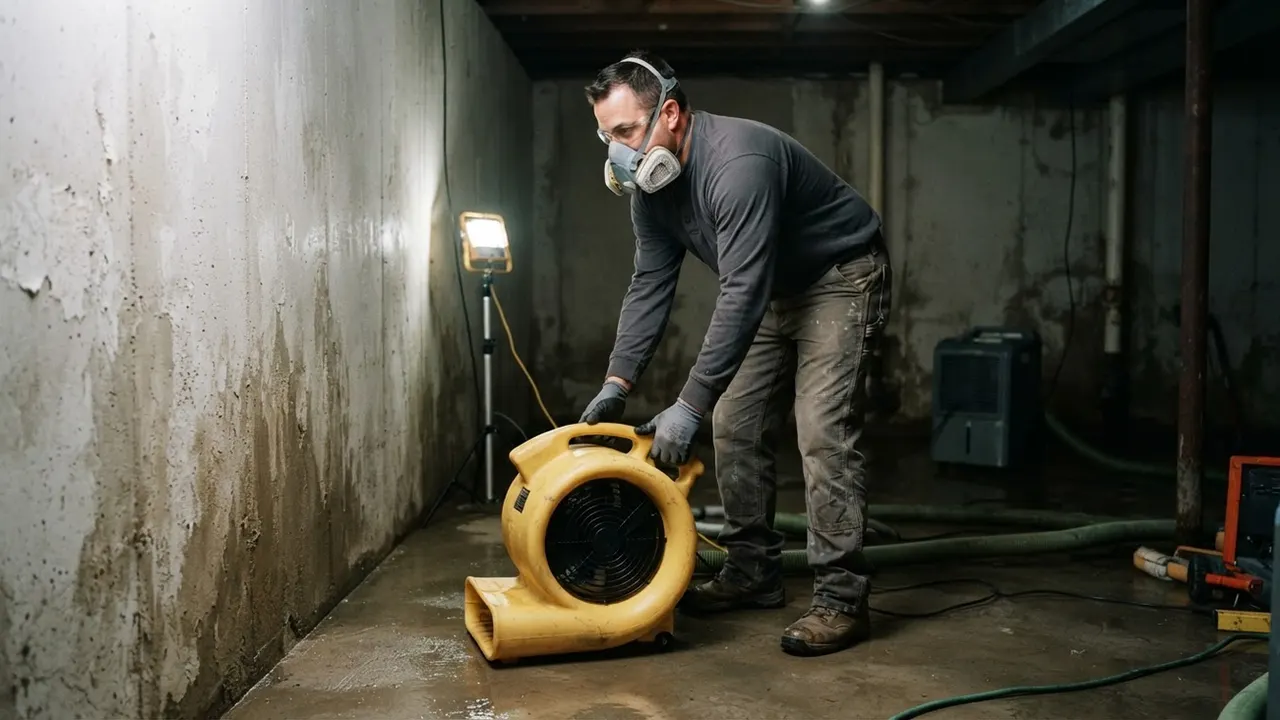
Water Damage Removal in Pine Hill is a property restoration service that removes unwanted water and dries affected building materials after leaks, flooding, or other water intrusions. Our team works throughout Pine Hill and nearby parts of Lynn, including West Lynn, Highlands, and Wyoma Square, where homes range from older houses with plaster walls to properties with finished lower levels. Water damage removal Pine Hill MA calls often follow heavy rain, a plumbing failure, or a roof leak that travels beyond the visible stain. We use moisture readings to determine what needs drying and what needs removal rather than relying on appearance alone. For a flooded room, a portable water extraction pump and wet/dry vacuum remove standing water; air movers and a refrigerant dehumidifier then support controlled drying. Pine Hill water damage removal also means planning around your household: we protect unaffected rooms, keep walkways clear, and explain which materials can be dried or require replacement. You get practical updates as the work progresses, with attention to concealed moisture that could otherwise lead to secondary damage.
Services available

Water Damage Services for Pine Hill Homes

Pine Hill homes face more than one kind of water intrusion: rain can run downhill toward foundations, while winter cold can stress exposed plumbing. We match the response to the source, the affected materials, and how long water has been present. If a leak has soaked a basement or first-floor room, our same-day water extraction service in Pine Hill focuses first on removing standing water and protecting unaffected areas. We then check walls, flooring, and cavities to decide where drying equipment belongs. You get a clear explanation of the work and regular updates, from the first inspection through drying and repair planning.

How we work locally

How Pine Hill Water Damage Work Proceeds

Challenge: Hilly streets and wooded slopes can channel heavy rain toward basement entries

Runoff may collect along a foundation before a homeowner sees water indoors. Once seepage starts, carpet padding, stored belongings, and lower drywall can absorb moisture. A finished basement also makes it harder to see how far water moved behind trim or beneath flooring.

Response: We identify the lowest affected points and trace the water path from the entry area into the basement. After extraction, we use a moisture meter to check baseboards, wall edges, and flooring. We separate wet contents from materials that need drying, then position air movers and dehumidification equipment to address the actual damp zones.

Challenge: Heavy fall rain can reveal foundation drainage issues around Pine Hill homes

Repeated rain can bring water through a foundation crack or floor joint, creating recurring dampness rather than one isolated puddle. That moisture can affect stored items and lower wall finishes, and it may linger after the visible water is gone.

Response: We remove interior water, document the affected areas, and distinguish fresh water damage from older staining where possible. Drying equipment is adjusted as readings change. We also explain what restoration can address inside and what drainage or exterior repair should be handled at the source to reduce repeat wetting.

Where we work

Pine HillWest LynnHighlandsWyoma SquareLynn Woods edgePine Hill Park area

Pine Hill service area

Pine Hill

Latitude: 42.478

Extract Directions

Local examples

Project example: 1

Pine Hill

Problem

After heavy rain, a Pine Hill homeowner found several inches of water along one side of a finished basement, with damp carpet and stored boxes.

Work

We removed standing water with extraction equipment, moved wet contents out of the affected area, and checked the carpet edge, baseboards, and lower wall for moisture. We removed materials that could not be dried effectively, set air movers and a dehumidifier, and monitored readings during the drying period. The homeowner received updates about the areas still requiring attention.

Result

Extraction took several hours, and drying continued for 4 days as readings fell. The affected basement section was cleared for repair planning, while dry rooms remained protected and accessible.

Project example: 2

West Lynn near Pine Hill

Problem

A burst supply line in a Pine Hill home released water into a utility area and affected the ceiling and flooring of a room below.

Work

After the homeowner shut off the water, we extracted water from the lower floor and inspected the ceiling, wall edges, and floor assembly. Moisture readings identified damp areas beyond the visible stain. We placed drying equipment to move air through the affected rooms and returned to check progress before repair work proceeded.

Result

The extraction and initial setup were completed the same day. Drying took 3 days, with measurements confirming that the affected surfaces had reached appropriate dry conditions before repairs.

Work that matters
Work that matters

What Pine Hill Water Damage Jobs Reveal

Moisture measured, not guessed

Pine Hill water damage removal calls often involve a basement that took on rainwater, a pipe leak affecting rooms below, or a roof leak that stained a ceiling after a storm. The first visible puddle rarely tells the whole story. We check flooring edges, wall bases, and accessible cavities, then record readings so drying decisions follow the condition of the materials. For a modest room with a small amount of clean water, extraction may take a few hours; drying commonly continues for 2 to 5 days, depending on materials, airflow, and moisture levels. We use equipment from established restoration lines such as Dri-Eaz and Phoenix Restoration Equipment when suited to the job. Your progress updates cover what has dried, what needs more time, and which materials require repair or replacement.

2-5 days
Common drying window

Local questions

Who provides water damage removal in Pine Hill?

water Restoration Pros provides water damage removal and restoration service in Pine Hill, Lynn, Massachusetts. We handle water extraction, basement flooding, burst pipe cleanup, roof leaks, and structural drying. Call 7812888068 and tell us where water entered, whether it is still flowing, and which rooms are affected. For 24/7 water damage removal near me in Pine Hill MA, our phone line is available around the clock for urgent calls.

How quickly can water extraction reach a home in Pine Hill?

We arrange the earliest practical visit after you call; same-day arrival is possible when the schedule and access allow. Tell us your Pine Hill address, ZIP code, water source, and whether standing water is rising. Our same-day water extraction service in Pine Hill begins with safety and source control, followed by removal and moisture checks. Keep people away from water near electrical equipment while you wait.

Is 24/7 flood damage cleanup available in Pine Hill MA?

Yes, our phone line is open 24/7 for flood damage cleanup calls in Pine Hill MA. We help with stormwater, basement seepage, and plumbing releases, then arrange the response based on the affected area and immediate safety. Emergency flood cleanup for homes in Pine Hill starts by stopping further water entry when safe, extracting standing water, and assessing wet materials. Call 7812888068 for urgent help.

Credentials and care

Training and Local Compliance

We work in Pine Hill with attention to safe extraction, drying, and repair practices. Our technicians follow OSHA safety training and use job-appropriate protective measures when water is contaminated or building materials are being removed. Water restoration work may involve moisture assessment, equipment setup, and repair coordination; we keep those steps clear for you. Massachusetts Home Improvement Contractor registration applies to qualifying home improvement work, and lead-safe practices matter when regulated painted surfaces are disturbed. We explain the work planned for your home and keep access and occupant safety in view throughout the job.

Massachusetts Home Improvement Contractor registration
EPA Lead-Safe Certification
IICRC Water Damage Restoration Technician (WRT) Institute of Inspection, Cleaning and Restoration Certification
When To Call

When to Call for Pine Hill Water Removal

Call for help when water is still entering, has reached electrical areas, or has soaked flooring, walls, or belongings. A visible puddle is only one sign; water can travel under a finished floor or inside a wall before you see a stain. If your basement floods after rain or a pipe breaks in cold weather, an emergency flood cleanup for homes in Pine Hill can start with extraction and a moisture assessment. Do not touch standing water near energized equipment. Shut off the source only if you can do so safely, then tell us where water is coming from and how far it has spread.

1. Water pooling along a basement wall

Pooling after rain can point to stormwater seepage or a drainage issue at the foundation. Water left against carpet, boxes, or lower drywall can keep materials damp and increase repair needs. If the water is rising or returning, call promptly and keep people away from affected electrical outlets.

2. Ceiling stain growing after rainfall

A spreading stain may indicate roof leak water intrusion that has traveled through insulation or framing. The stain can look small while hidden materials remain wet. Protect furnishings below it, avoid puncturing a bulging ceiling, and arrange an inspection to identify the moisture path and limit damage.

3. Floorboards lifting or separating

Swelling, cupping, or gaps in hardwood can mean moisture has reached the boards or underlayment. Surface drying alone may not address water beneath the floor. We check the assembly and subfloor before deciding whether targeted drying or flooring removal is needed.

4. Musty odor after a plumbing leak

A persistent musty smell can point to wet materials hidden behind trim, drywall, or cabinets. It is especially important after a leak that ran unnoticed for hours or longer. Moisture readings and a focused inspection help locate damp areas before secondary mold growth develops.

5. Water near outlets or a breaker area

Water close to electrical equipment creates an immediate safety concern. Do not step into the water or touch switches, cords, or appliances in the affected area. Keep others away and contact emergency services or a qualified electrician if there is an immediate electrical hazard; restoration follows once the area is safe.

Local Problem Patterns

Common Pine Hill Water Damage Problems

Pine Hill's wooded hills, wet fall weather, and cold winter conditions shape the calls we receive. Heavy rain can reveal a foundation drainage problem, while a sudden thaw can expose a pipe split during a freeze. Homes with basements and older finishes need careful inspection because water can remain behind plaster or beneath flooring after a surface looks dry. Our water extraction service in Pine Hill pairs removal with moisture checks, helping you address the full affected area rather than only the visible water.

Logo

Basement seepage after heavy rain reaches finished rooms

Why it happens here

Hilly and wooded surroundings can direct runoff toward lower parts of a lot. When foundation drainage is weak or a floor-wall joint admits water, a basement may take on water during prolonged rain. Carpet, storage, and lower wall finishes absorb moisture quickly.

Our approach

We remove standing water, check the foundation-facing edges, and measure moisture in flooring and lower walls. We separate affected contents and materials, then set drying equipment around the actual wet areas. We also explain which exterior drainage concerns need attention to reduce repeat water entry.

Logo

Burst pipe water damage spreads through walls and floors

Why it happens here

Cold winters can increase the risk of frozen or burst pipes in unheated spaces and exterior walls. Once the pipe thaws or water pressure returns, a leak may travel through wall cavities and affect a ceiling or room below before it becomes visible.

Our approach

After the source is shut off, we trace the water path and inspect adjoining rooms. A moisture meter and thermal imaging camera can help identify damp areas that are not obvious. We extract water, dry accessible materials, and monitor readings before the area is closed or repaired.

Logo

Roof leak water intrusion stains ceilings after storms

Why it happens here

Wind-driven rain can enter at a roof weakness and move along framing before appearing as a ceiling mark. A small stain may conceal damp insulation or wet gypsum board, especially if rain continues or the roof source is not repaired.

Our approach

We protect the room, assess the ceiling and adjacent walls, and check moisture beyond the visible stain. Once the roof leak is stopped, we dry suitable materials and remove those that are saturated or damaged. We coordinate the restoration sequence so repairs do not trap moisture.

Logo

Stormwater saturates subfloors beneath carpet and hardwood

Why it happens here

Water entering a lower room can spread along the floor and pass beneath carpet padding or hardwood. The top surface may feel dry while underlayment and subfloor remain wet, particularly after water has sat for several hours.

Our approach

We inspect flooring transitions and test moisture below the surface where accessible. If water is trapped, we discuss selective removal to expose the wet assembly. Drying continues until readings show progress, then replacement planning begins for materials that cannot be restored.

Local Pricing

Water Damage Removal Pricing in Pine Hill

Typical 2026 pricing in Pine Hill depends on how much water entered, how long it remained, and which materials absorbed it. A small clean-water extraction job in one room may fall around $500-$1,500; a multi-room loss with demolition and several days of drying can range from $2,000-$7,500 or more. Sewage, extensive reconstruction, and hard-to-access cavities can raise the total. Water damage restoration near Pine Hill also involves equipment time: air movers and dehumidifiers may run for 2 to 5 days, with readings checked as materials dry. We provide upfront pricing for the planned restoration work and explain the factors behind it before proceeding.

Availability in Pine Hill: Our phone line is available 24/7 for Pine Hill water emergencies, including active leaks and flooding. We work to arrange prompt service, and a same-day visit is possible when access and schedule allow. Tell us whether the water is still flowing, which rooms are affected, and whether anyone faces an electrical or structural hazard. That lets us prioritize the right response and prepare suitable extraction equipment.

1

Water volume and source

A small clean-water leak is different from a basement flood or contaminated backup. More standing water means longer extraction, while contamination calls for added protective measures and cleaning. In Pine Hill, stormwater entering a basement can also carry debris that requires extra removal and surface cleaning.

2

Materials and hidden moisture

Carpet padding, hardwood flooring, plaster, and insulated wall cavities absorb and release water at different rates. If moisture is trapped beneath a floor or inside a wall, the work may require selective removal and additional drying days. We use readings to identify the affected area before setting the repair plan.

3

Access and drying duration

A basement with a narrow entrance or limited equipment space takes more setup planning than an open ground-floor room. Equipment may need to run for 2 to 5 days, depending on moisture and ventilation. We keep safe paths open and adjust the drying arrangement as readings improve.

Year-Round Coverage

Pine Hill Water Damage Through the Seasons

In October, fall rain and leaf-clogged drainage are the immediate concerns for Pine Hill homes, particularly those with basements on sloped or wooded lots. As winter approaches, frozen pipe risk becomes more important; spring brings runoff and groundwater pressure, while summer storms can produce sudden roof leaks or localized flooding. If water enters during a storm, 24/7 water damage removal near me in Pine Hill MA starts with stopping the source when safe, removing standing water, and checking how far moisture has traveled. Seasonal prevention helps, but quick action still matters when a leak occurs.

Spring

Thawing ground and steady rain can increase runoff toward basement entries and foundation joints. Pine Hill homeowners may notice damp corners, water at floor-wall seams, or a sump area working harder than usual. Wet soil can reveal drainage weaknesses that were less visible during dry weather.

Tip

Check basement corners and exterior downspouts after heavy rain, and keep stored items off the floor. If water appears, photograph the area, move belongings only when safe, and call before damp materials remain in place.

Summer

Brief, intense storms can drive rain beneath roof edges or into lower levels, while plumbing leaks can occur at any time. A ceiling stain after a storm or a puddle near a basement wall deserves attention even if the weather clears quickly.

Tip

After a strong storm, look for new stains, soft drywall, or water near foundation-facing rooms. Do not close a wet wall or repaint over a mark until the source is addressed and moisture levels are checked.

Fall

October rain can expose drainage trouble as leaves collect near rooflines and water follows Pine Hill's slopes toward foundations. Roof leak water intrusion and basement seepage are common concerns after repeated storms. Cooler air can also slow natural drying indoors.

Tip

Keep gutters and exterior drains clear where it is safe to do so, and check lower-level rooms after sustained rain. Call promptly if water is entering; extraction and dehumidification work better before materials remain wet for several days.

Winter

Cold nights can freeze plumbing in unheated areas or near exterior walls. A pipe may release water when it thaws, affecting walls, ceilings, and floors. Snowmelt and winter rain can also reveal a weak foundation entry point.

Tip

Keep vulnerable rooms reasonably warm and know where the main water shutoff is located. If a pipe breaks, stop water only if safe, avoid wet electrical areas, and report which rooms and floors are affected.

Hiring Smart

Questions to Ask Before Hiring Locally

A good Pine Hill restoration contractor should explain what happens first, how the drying process is measured, and who handles repairs after water removal. You deserve direct answers about equipment, safety, and communication-not vague promises. Ask how the team distinguishes wet materials from damaged ones and how often progress is checked. If your home has older plaster, finished basement walls, or flooring over a wood subfloor, mention it before work begins. Those details change how a careful crew inspects and dries your home.

  1. 1

    "How will you find moisture behind Pine Hill basement walls?"

    Why it matters

    The answer should describe inspection and measurement, not just a visual check. Ask whether the team checks baseboards, floor edges, and accessible cavities, and how readings guide equipment placement. A contractor who explains the process can help you understand whether visible damage reflects the full affected area.

  2. 2

    "What equipment will you use to remove water from my home?"

    Why it matters

    The right setup depends on water volume, access, and the materials involved. A contractor should be able to explain when extraction pumps, vacuums, air movers, or dehumidifiers are useful. The equipment should support a measured plan rather than being placed without checking where water traveled.

  3. 3

    "How often will you check drying progress?"

    Why it matters

    Drying is not complete just because a room feels less damp. Ask how moisture readings are recorded and how the team decides when equipment can be removed. Regular checks matter for Pine Hill homes with plaster, hardwood, and finished basement assemblies that may dry at different rates.

  4. 4

    "Are you trained to handle older painted surfaces safely?"

    Why it matters

    Some older homes may have painted surfaces that require lead-safe practices when renovation work disturbs them. Ask about relevant training and how the work area is contained. A clear answer shows that the contractor considers occupant safety as well as water removal and repair.

  5. 5

    "What happens if water is still entering from outside?"

    Why it matters

    Extraction can address water already indoors, but the entry source must also be controlled. A capable contractor should explain what restoration can do immediately and when a roofer, plumber, or drainage specialist needs to address the source. That distinction helps prevent repeat damage.

Knowing the Area

Pine Hill Landmarks Help Us Navigate

We use familiar Pine Hill landmarks to orient visits and understand the surrounding terrain, not as a substitute for your address. Pine Grove Cemetery, Lynn Woods Reservation, and Breed Middle School help distinguish nearby residential areas when you describe where water entered. For equipment, we plan a safe path from the vehicle to the affected room and avoid blocking shared access. Tell us whether the problem is at a basement entry, upper floor, or roofline so we bring the right extraction and drying setup.

Landmarks

  • Pine Grove Cemetery

    This familiar Pine Hill reference helps us orient calls in the surrounding residential area. When you report a leak nearby, a street name and the affected floor help us plan the route from the vehicle to the basement or room needing extraction.

  • Lynn Woods Reservation

    The reservation marks a wooded edge where hilly terrain can influence runoff during heavy rain. Homeowners nearby often describe water entering at a lower wall or foundation joint, which tells us to inspect basement edges and ground-facing rooms.

  • Breed Middle School

    Breed Middle School is a useful local orientation point when residents explain which side of Pine Hill they are on. It helps us confirm the general area before we ask for the exact address, access details, and location of the water damage.

Commercial Districts

  • Wyoma Square business area

    Nearby shops and service businesses need water removed from customer areas, storage rooms, or back offices without losing sight of safe access. We prioritize extraction, protect unaffected stock, and plan drying equipment so entrances and essential walkways remain usable.

  • West Lynn neighborhood businesses

    Small businesses in the wider West Lynn area can experience plumbing leaks, roof intrusion, or water entering at a lower level. We identify wet materials, remove standing water, and discuss the drying sequence around opening hours and occupied spaces.

Transport & Access

  • Lynn Woods Reservation access roads

    Access toward the wooded side of Pine Hill helps orient nearby residential visits. We confirm the street address because narrow approaches and home driveways affect where extraction and drying equipment can be unloaded safely.

  • Lynnway

    Lynnway connects the wider Lynn service area and provides a regional approach toward Pine Hill. We use the reported address and current road access to plan a practical route, then stage equipment close to the home.

Service Area

Water Damage Removal Coverage Across Pine Hill & Essex County

Routine and same-week appointments for residents and businesses across Essex County, including the ZIP codes below.

019050190401902019010190301910
!

Call for Water Damage Removal in Pine Hill

If water is entering your Pine Hill home, call water Restoration Pros at 7812888068. Our phone line is available 24/7 for urgent water damage calls, from basement seepage near Lynn Woods Reservation to a burst pipe in a winter cold snap. Tell us what happened and which rooms are wet; we will guide the next step and arrange service for your address.

Call now
Call Now: 7812888068