Logo
Local water restoration

Water Damage Removal in Lynn Woods, Done Right

Water Damage Removal in Lynn Woods starts with stopping the water source and removing standing water before it spreads into walls and floors. We help homeowners near Lynn Woods Reservation, Pine Hill, and Highlands with water damage removal Lynn Woods MA residents need after a burst pipe, roof leak, or heavy rain. Our team checks affected materials, explains the next steps, and starts practical drying work to protect your home.

24/7
Phone support
01905 / 01904
Lynn service ZIPs
Fall rain and freeze prep
October conditions

Lynn Woods overview

Water Damage Removal in Lynn Woods Homes

Why we serve here

Lynn Woods combines wooded slopes, established homes, and nearby residential streets with basements, creating a distinct mix of water problems. During heavy rain, runoff can move downhill toward neighboring properties, while clogged or overwhelmed drainage can leave water at foundation walls. In winter, repeated freezing and thawing can expose weak pipe sections or open gaps around a building envelope. We serve this area because local homeowners need a nearby crew that knows to check the basement, adjoining wall cavities, and flooring rather than stopping at the visible wet spot. From Pine Hill to the Highlands, we tailor the extraction and drying plan to the home, the water source, and the materials affected.

Local help for leaks, flooding, and damp basements

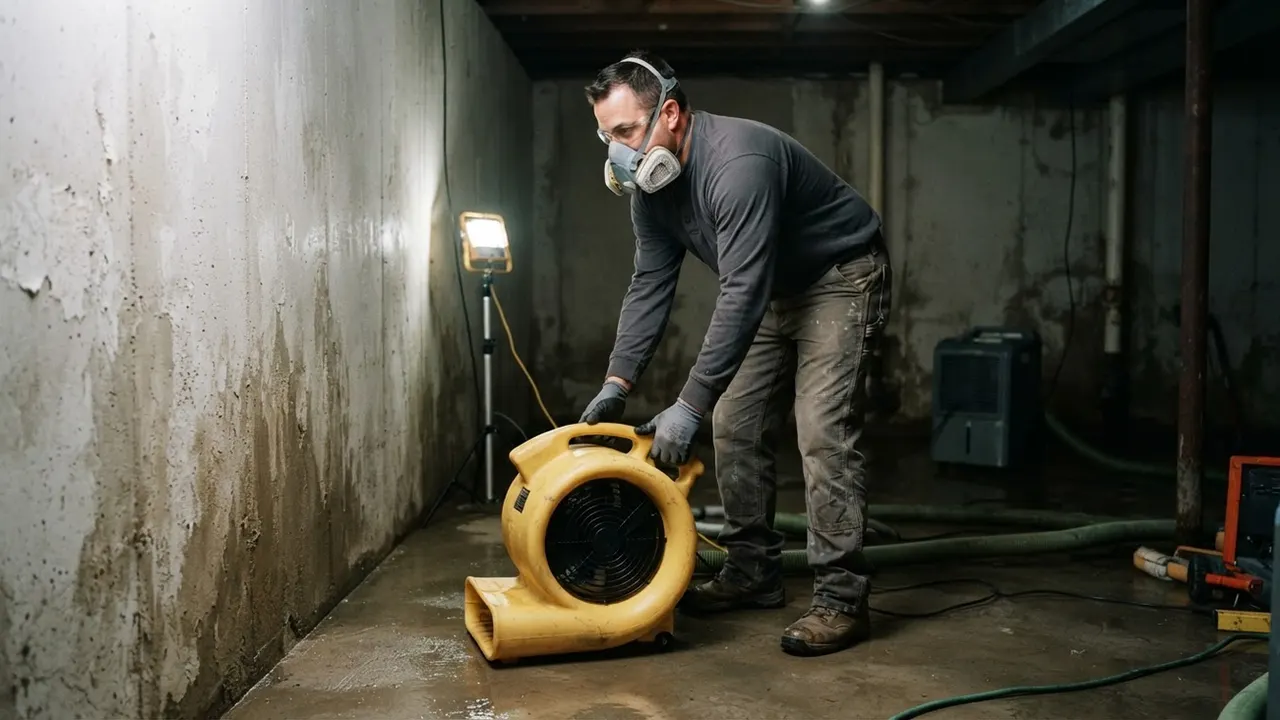
Water Damage Removal in Lynn Woods is a property restoration service that removes unwanted water and dries affected building materials after leaks, flooding, or plumbing failures. We work across the wooded residential edges near Lynn Woods Reservation and in nearby Pine Hill, West Lynn, and Highlands, where homes with basements can face seepage after heavy precipitation. Our crews look beyond the visible puddle: moisture can travel beneath carpet padding, along a wall, or into a subfloor before stains appear. Lynn Woods water damage removal starts with identifying the source, assessing the affected rooms, and extracting standing water with equipment suited to the amount and location. We use moisture meters and air movers to guide drying, then explain what needs repair and what can remain. In Essex County, our work also accounts for sloped, tree-lined lots and winter freeze-thaw conditions that can stress pipes and exterior building envelopes. If you are near Breed Pond or Dungeon Rock, tell us what happened and where water is showing; clear details help us prepare for your home's access and damage pattern.
Services available

Water Damage Services for Lynn Woods

Water damage in Lynn Woods often begins with a specific trigger: a basement seep after hard rain, a pipe split during a freeze, or water entering beneath a roof edge. We match the service to the source and the affected materials, then track moisture rather than relying on surface appearance. For homeowners who need emergency flood cleanup for homes in Lynn Woods, we focus first on safety, water removal, and limiting spread into adjacent rooms. We serve homes in 01905 and 01904, including properties near wooded slopes where drainage patterns can change across a lot.

How we work locally

How Lynn Woods Water Damage Removal Works

Challenge: Runoff follows wooded slopes toward lower homes after heavy precipitation

Water may enter through more than one low point, particularly where a basement wall meets the floor. The path can cross storage areas or finished rooms, so visible water does not always show the full affected footprint. We inspect the perimeter and adjacent materials before setting equipment.

Response: We document the entry points, remove standing water, and check the lower wall edges, flooring, and nearby cavities with moisture readings. If runoff carries debris, we separate cleanup from drying and use appropriate protective measures. We also identify drainage conditions to discuss with you before repairs close the area.

Challenge: Winter freeze-thaw cycles increase the chance of pipe and envelope leaks

A pipe leak can release water into a ceiling or wall before it becomes visible, while temperature swings can expose gaps around exterior penetrations. Delayed discovery raises the risk of wet insulation, damaged plaster, and secondary mold growth in concealed spaces.

Response: We trace moisture beyond the obvious stain, check both sides of affected walls when accessible, and use controlled drying equipment. We record readings at repeatable points and keep repairs separate from active drying. If the water source remains active, we help identify the area that needs plumbing or exterior repair before finishes are restored.

Neighborhoods we serve

Lynn WoodsPine HillWest LynnHighlandsWyoma SquareSagamore Hill

Lynn Woods service area

Lynn Woods

Latitude: 42.4828

Extract Directions

Local project examples

Project summary: 1

Near Lynn Woods Reservation

Challenge

After heavy rain, a Lynn Woods homeowner found water along a basement wall and beneath stored boxes, with dampness reaching the edge of a finished floor.

Work

We extracted standing water with a portable pump and wet/dry vacuum, then checked the wall base, floor transitions, and accessible cavities. Our crew moved affected contents with the homeowner's direction, set air movers, and ran a dehumidifier. Moisture readings were taken at the same points during follow-up visits, and we marked the materials that needed removal before repairs.

Result

The team removed standing water on the first work visit and completed four documented moisture checks over three days. The homeowner received a room-by-room drying update and a clear list of materials ready for repair.

Project summary: 2

Pine Hill

Challenge

A winter pipe leak wet a ceiling and a section of wall in a Pine Hill home, with water reaching the room below before the source was shut off.

Work

Once the plumbing repair stopped the leak, we protected unaffected flooring, extracted water from the lower room, and checked the ceiling and wall cavity for concealed moisture. Air movers and dehumidification were placed to dry both levels. We recorded readings at the ceiling, wall, and floor edge, then removed only the finish materials that remained too wet to keep.

Result

Drying equipment ran for 72 hours with daily readings. The homeowner had a documented moisture record before drywall repair, and dry flooring in the adjacent room remained in place.

Work you can measure

Water Damage Results Around Lynn Woods

Drying guided by readings

Our Lynn Woods projects include basement seepage after hard rain, ceiling leaks from roof intrusion, and burst-pipe water damage following cold weather. Each job starts with documenting the affected rooms and recording moisture at the floor, wall, and adjoining materials. We use extraction equipment first, then position air movers and dehumidification based on the layout. A typical residential drying plan is checked at least once every 24 hours while equipment is running; readings, not a calendar promise, guide the finish date. For Lynn Woods water damage removal, we also record which materials were removed and why, so repairs are tied to observed conditions. Our crews protect unaffected areas and explain the next decision before moving from cleanup to reconstruction. The goal is a dry, documented structure with a clear path to restoring the room.

24-hour
moisture checks

Local questions

Who provides water damage removal in Lynn Woods?

water Restoration Pros provides water damage removal in Lynn Woods for basement flooding, burst pipes, roof leaks, and stormwater intrusion. We extract standing water, check affected materials, and set drying equipment based on moisture readings. Our service area includes Lynn Woods, Pine Hill, West Lynn, and Highlands in Essex County. Call 781-288-8068 and tell us where water is visible, whether the source is active, and which rooms are affected.

How quickly can water extraction reach a home in Lynn Woods?

We take urgent calls around the clock and arrange the earliest practical visit based on the water source, safety, and property access. Tell us your address, ZIP code, water depth, and whether a pipe is still leaking; those details help us prepare equipment. For an active emergency, call 781-288-8068. We begin with source control and extraction, then set a drying plan after assessing the affected rooms.

Is 24/7 flood damage cleanup available in Lynn Woods MA?

Yes, emergency calls for flood damage cleanup in Lynn Woods MA are accepted 24/7. We prioritize active water, safety concerns, and damage spreading into additional rooms. If you need 24/7 water damage removal near me in Lynn Woods MA, call 781-288-8068 and explain whether the water is clean supply water, stormwater, or a drain backup. We will guide immediate safe steps and arrange service.

Credentials and compliance

Local Credentials and Standards

We handle Lynn Woods cleanup with trained restoration practices, appropriate protective equipment, and attention to Massachusetts repair requirements. Our technicians use moisture readings to guide drying and document affected areas before repairs. The business maintains Massachusetts Home Improvement Contractor registration for covered home improvement work, and we carry applicable business liability coverage. When painted surfaces in older homes are disturbed, we follow the EPA Renovation, Repair and Painting Rule requirements that apply to the project. We can explain which parts of your job involve emergency mitigation and which involve repair, so the work follows the right process from water removal through reconstruction.

Massachusetts Home Improvement Contractor registration
EPA Lead-Safe Certification
IICRC Water Damage Restoration Technician (WRT) Institute of Inspection, Cleaning and Restoration Certification
When To Call

When to Call for Lynn Woods Water Removal

Call for help when water is standing, a leak is continuing, or a floor or wall stays damp after you have removed the visible water. In Lynn Woods, heavy precipitation can push runoff toward basement walls, while winter freeze-thaw conditions can turn a small pipe leak into wet ceilings and wall cavities. If you need a same-day water extraction service in Lynn Woods, share the water source, how long it has been present, and whether it reached an electrical area. Quick action limits spread and gives you a clearer view of what can be dried.

1. Water pooling along a basement wall

A puddle beside a foundation wall can point to runoff, a plumbing leak, or water entering through a low opening. Photograph the area, move belongings away if safe, and avoid covering the wet spot. If water keeps returning, the source needs attention before drying can hold.

2. A ceiling stain grows after rain

A spreading brown mark or soft ceiling usually means water is still moving through the roof assembly or upper wall. Do not puncture a bulging ceiling. We check the area below and around the stain, then coordinate drying after the roof source is addressed.

3. Floorboards cup or feel spongy

Raised hardwood edges, soft laminate, or a springy floor can signal moisture beneath the surface. Water may have reached underlayment or the subfloor, where surface drying will not be enough. Stop using the affected room and arrange a moisture assessment.

4. Musty odor returns after cleanup

A persistent damp smell can indicate water held in carpet padding, insulation, or a wall cavity. The surface may look dry while concealed materials remain wet. We use moisture readings and targeted inspection to locate the source before secondary mold growth becomes a larger concern.

5. A pipe leak wets multiple floors

Water from an upper-level burst pipe can run through framing and appear far from the break. Check rooms below for wet light fixtures, ceiling bubbles, or wall stains, and avoid using affected electrical circuits. Shut off the water if safe, then call for extraction and drying.

Local Problem Patterns

Common Lynn Woods Water Damage Problems

Lynn Woods water problems reflect local terrain, seasonal weather, and the mix of basement and finished living spaces in nearby homes. Heavy precipitation can contribute to drainage problems, while winter freeze-thaw cycles place stress on pipes and building envelopes. Roof leaks and plumbing failures add water from above, and basement flooding can affect carpet, storage, and lower wall sections at once. We approach water damage restoration near Lynn Woods by tracing the source and checking concealed materials, not only cleaning what is visible.

Logo

Basement seepage after sustained rain reaches lower wall finishes

Why it happens here

Wooded slopes can influence runoff toward nearby properties, and prolonged rain can expose weak points around foundation walls, window wells, or floor joints. Water may collect in a basement before a homeowner notices it, especially behind stored items or along finished wall edges.

Our approach

We extract standing water, inspect the likely entry path, and check flooring and lower wall materials for absorbed moisture. We use readings to decide whether drywall or insulation needs removal. Once the source is controlled, drying equipment is placed to reach the affected surfaces and cavities.

Logo

Burst pipe water damage spreads into ceilings and adjoining rooms

Why it happens here

Winter freeze-thaw conditions can stress plumbing and exterior building envelopes. A small split can release water into a wall or ceiling before it reaches the floor, and gravity may carry it to a room below. Delayed discovery leaves moisture in framing and insulation.

Our approach

We trace water beyond the first stain, extract pooled water, and check ceilings, walls, and flooring on each affected level. Moisture readings guide equipment placement and material removal. We coordinate the drying sequence after the pipe is repaired so new water does not continue entering the structure.

Logo

Roof leak water intrusion leaves hidden moisture in wall cavities

Why it happens here

Wind-driven rain or a damaged roof detail can send water behind a ceiling finish and down an exterior wall. The first visible sign may be a stain far from the entry point, making it easy to miss damp insulation or plaster nearby.

Our approach

We inspect around the stain and use thermal imaging with moisture readings to locate affected areas. After the roof source is corrected, we dry the structure and remove finishes only where readings and material condition support removal. That helps prevent closing wet materials behind a new surface.

Logo

Stormwater seepage damages carpet padding and subfloor edges

Why it happens here

A sudden downpour can overwhelm drainage around a low entry or foundation edge, particularly on sloped lots. Water under carpet or against a threshold may reach padding and underlayment before it is visible across the room.

Our approach

We remove standing water, lift or remove affected flooring as needed, and check the subfloor for saturation. Drying equipment is directed at the exposed layers, and follow-up readings determine when replacement can begin. We also document the affected boundary for repair planning.

Local Pricing

Water Damage Removal Costs in Lynn Woods

Typical 2026 pricing for Lynn Woods water damage removal depends on water depth, affected square footage, contamination, and the materials that need removal. A small clean-water extraction visit may fall around $350-$900; a multi-room drying project with equipment and repeat checks often ranges from $1,500-$4,500. Extensive basement flooding or reconstruction can exceed $5,000, especially when insulation, drywall, or flooring must be replaced. We give upfront pricing before work proceeds. The main cost drivers are the volume of water, how long it has been present, and whether concealed areas need opening. Your insurer may ask for photos, readings, and itemized work notes, so we keep the job record organized. Water damage restoration near Lynn Woods is priced around the actual damage and drying needs, not a flat charge for every home.

Availability in Lynn Woods: We take emergency calls for Lynn Woods at all hours and schedule urgent visits around the active water source, safety concerns, and access. Call 781-288-8068 if a pipe is still leaking or water is rising in your basement. For non-active damage, we arrange an assessment and explain the next available work window. During fall rain and winter freeze-thaw periods, tell us whether the water is still entering and which rooms are affected so we can prepare the right extraction equipment.

1

Water volume and area

A few gallons in one utility room take less extraction time than several inches across a basement. We consider the number of affected rooms, access to the water, and whether equipment can reach the lowest point. Greater volume also means more drying checks and longer equipment use.

2

Materials and hidden moisture

Wet carpet padding, hardwood flooring, plaster, insulation, and underlayment respond differently. If readings show water inside a wall cavity or subfloor, careful removal and additional drying can raise labor and material costs. We explain which layers are affected before recommending demolition.

3

Contamination and repairs

Clean supply-line water is handled differently from sewage backup or stormwater carrying debris. Protective cleanup, material disposal, and later drywall or flooring replacement change the total. We separate water removal and drying needs from finish repairs so you can understand each part of the work.

Year-Round Coverage

Seasonal Water Risks in Lynn Woods

October brings fall rain and the start of preparation for colder nights in Lynn Woods. Heavy precipitation can send runoff down wooded slopes, while leaves and debris may complicate drainage around a home. As winter approaches, exposed pipes and gaps in the building envelope deserve attention; freeze-thaw conditions can turn a small weakness into a leak. Across the year, we handle water damage restoration and structural drying near Lynn Woods by matching extraction and equipment to the season, the source, and the materials affected. If water appears, act before it spreads into a finished basement or adjoining room.

Spring

Thawing ground and steady rain can leave lower areas damp, especially where runoff moves toward a basement or foundation. Check for seepage at wall-floor joints, window wells, and storage corners. Water that remains after the snow has cleared still needs assessment.

Tip

Move stored items off the basement floor and keep downspouts clear. After a leak, photograph the entry point and remove small amounts of safe standing water while arranging professional extraction for soaked materials.

Summer

Intense downpours and thunderstorms can overwhelm drainage in a short period. Roof leaks may appear as ceiling stains, while water entering at ground level can spread under flooring. Warm, humid air can also slow drying if moisture remains trapped indoors.

Tip

After a storm, check the attic, upper ceilings, and basement perimeter. If carpet or drywall is wet, avoid sealing the room; ventilation and professional moisture checks help identify concealed dampness.

Fall

Fall is the current concern in October: heavy rain, falling leaves, and changing temperatures can combine to create localized drainage trouble. Water may collect near a foundation before winter begins. Roof edges and exterior gaps also deserve attention before colder weather arrives.

Tip

Clear leaves from safe, accessible drainage points and look for fresh basement dampness after rain. If water is entering, call promptly and tell us whether it is still active and which floor is affected.

Winter

Freeze-thaw cycles can affect pipes and building envelopes, leading to burst pipe water damage or leaks around vulnerable exterior areas. Water may run behind walls or ceilings before becoming visible, and cold conditions can complicate access to the source.

Tip

Know where your main shutoff is and keep vulnerable areas from freezing. If a pipe breaks, shut off water if safe, avoid wet electrical areas, and arrange extraction once the source has stopped.

Hiring Smart

Questions to Ask Before Hiring Locally

A Lynn Woods contractor should be able to explain how water will be removed, how drying will be measured, and what happens if the source is still active. Ask how the crew handles basement access, sloped-lot runoff, and older plaster or flooring before equipment arrives. You should also know who records moisture readings and how often they return while drying is underway. Direct answers help you compare the actual work plan rather than a vague promise. We are ready to explain the sequence for your home in plain language.

  1. 1

    "How will you find water inside my wall or floor?"

    Why it matters

    A contractor should describe moisture meters, visual inspection, and targeted use of thermal imaging rather than relying on surface appearance. In a Lynn Woods basement or a room below a roof leak, concealed moisture can remain after the visible stain looks dry. Ask how findings will guide material removal.

  2. 2

    "How often will you check moisture during drying?"

    Why it matters

    Drying equipment needs monitoring because readings change as materials release moisture. A clear answer should include repeat checks, often daily during active drying, and explain how readings determine equipment changes or completion. Without measurement, equipment can run too long or stop before materials are dry.

  3. 3

    "What will you do if rainwater or a pipe leak is still entering?"

    Why it matters

    Drying cannot solve an active source. The contractor should identify immediate safety steps, explain what must be repaired or contained, and coordinate the restoration sequence after water stops. This is especially important after heavy rain or a winter pipe failure.

  4. 4

    "Which wet materials can be dried instead of removed?"

    Why it matters

    Different materials respond differently to water. Carpet padding, hardwood, plaster, gypsum board, and insulation need individual assessment. A good answer ties removal to material condition and moisture readings, reducing unnecessary demolition while avoiding repairs over damp surfaces.

  5. 5

    "What credentials and insurance cover this work?"

    Why it matters

    Ask for relevant restoration training, business registration where applicable, and proof of insurance. For repair work in older homes, ask how lead-safe requirements are handled if painted surfaces are disturbed. Specific, direct answers show that the contractor understands both cleanup and the later repair stage.

Knowing the Area

Local Landmarks and Service Access

We use familiar Lynn Woods landmarks to orient service visits and clarify which side of the wooded area your home sits on. Lynn Woods Reservation provides a useful reference for calls involving nearby slopes and residential access; it does not replace your street address when planning arrival. We also confirm parking, the closest entry, and whether a basement stairway or narrow hall affects equipment movement. For jobs near neighborhood roads, sharing a cross street and ZIP code such as 01905 or 01904 helps us distinguish the correct property before we set out.

Landmarks

  • Lynn Woods Reservation

    The reservation helps orient nearby homes where wooded terrain and slopes can shape runoff. For water intrusion calls, we ask which side of the area you are on and whether water is entering from a lower grade or basement wall.

  • Dungeon Rock

    Dungeon Rock is a familiar local reference for residents describing their location near the wooded area. Your street address remains essential, but this landmark can help clarify access and the direction of travel for a service visit.

  • Breed Pond

    Breed Pond is another recognizable point for locating nearby residential streets. During a rain-related call, we ask about the property's elevation and where water appears so we can prepare for possible runoff or basement seepage.

Commercial Districts

  • Wyoma Square

    Homes and small businesses near Wyoma Square may call after a plumbing leak, roof intrusion, or water spreading from a utility area. We adapt equipment to the building layout and keep customer access open where possible.

  • Lynnway

    Lynnway connects a mix of commercial properties and residential routes. Water incidents here can involve larger floor areas or back-of-house spaces, so we confirm affected square footage, water depth, and loading access before selecting extraction equipment.

Transport & Access

  • Lynnway road corridor

    The Lynnway provides a practical approach for reaching Lynn from the broader local road network. We still confirm the property entrance and parking conditions before unloading equipment.

  • Lynn commuter rail station

    The commuter rail station is a recognizable Lynn access point, but our crews travel to the property by road. We use your address and ZIP code to plan the final approach and equipment access.

Service Area

Water Damage Removal Coverage Across Lynn Woods & Essex County

Routine and same-week appointments for residents and businesses across Essex County, including the ZIP codes below.

019050190401902019010190301910
!

Call for Water Damage Removal in Lynn Woods

If water is spreading through your basement, ceiling, or flooring, call water Restoration Pros at 781-288-8068. We take emergency calls 24/7 and can help you start with the safest next step, then arrange extraction and drying for your Lynn Woods home. Tell us the water source, whether it is still active, and your ZIP code. Our crew records moisture conditions so you can make informed repair decisions.

Call now
Call Now: 7812888068