Logo
Highlands service

Water Damage Removal in Highlands for Local Homes

Water Damage Removal in Highlands starts with stopping the source, extracting standing water, and checking where moisture traveled. We help homeowners and property managers across the Highlands, from Pine Hill to Wyoma Square, after basement flooding, pipe leaks, roof intrusion, or stormwater seepage. Our water damage removal Highlands MA service focuses on clear next steps: protect belongings, identify affected materials, and start controlled drying before hidden moisture leads to more damage.

24/7
Emergency availability
01902 / 01905
Service ZIP codes
Rain and roof leaks
October focus

Highlands overview

Water Damage Removal in Highlands, Done Locally

Why we work here

Highlands properties face a mix of steep grades, mature residential streets, and buildings with long service histories. Heavy rain may lead to foundation seepage and basement moisture, while winter freeze-thaw cycles can contribute to pipe and roof leaks. We serve this area because the same storm can affect a hillside home and a lower-lying basement differently; the useful response depends on understanding the building, slope, and affected materials. Near Lynn Woods Reservation, runoff patterns and basement conditions matter. Around Lynn Common, older interiors can include plaster and layered flooring that hold moisture below the surface. We bring extraction and drying to your property, then track conditions instead of relying on how dry a surface feels.

We remove water and dry the spaces it reaches.

Water Damage Removal in Highlands is a property recovery service that removes unwanted water and dries affected building materials after leaks, flooding, or storm intrusion. We work in the Highlands of Lynn, Massachusetts, where older housing stock can include vulnerable plumbing and masonry, and hilly terrain can send runoff toward lower-lying properties. Our local approach starts with the source and the path water took, not just the visible puddle. For water damage restoration near Highlands, we check floors, wall edges, and reachable cavities with a moisture meter, then set extraction and drying equipment to suit the affected materials. A small supply-line leak in a finished room calls for a different plan than a wet basement after heavy rain. We explain the immediate work, protect unaffected areas, and keep you informed as readings change. Our crew serves homes and small properties around Lynn Common and Pine Hill, including the 01902 and 01905 ZIP codes. If water is still entering, we prioritize stopping or containing it before drying begins.
Services available

Water Damage Services Across Highlands

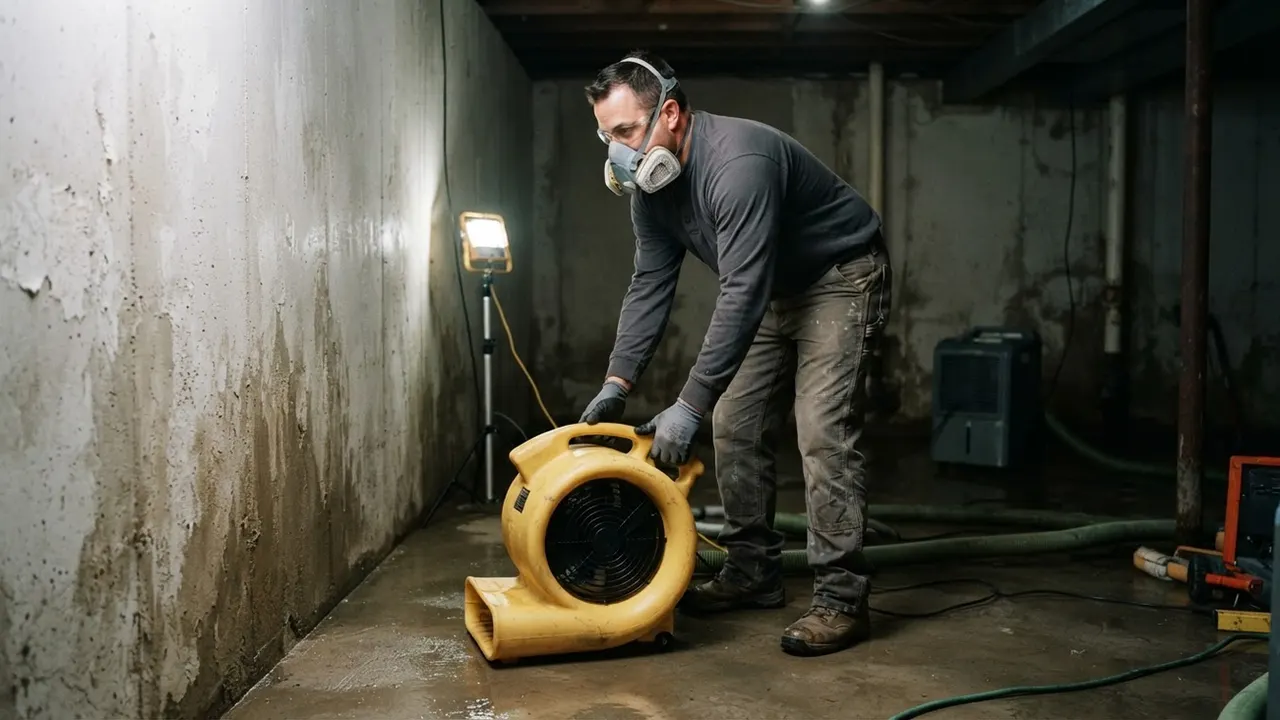
Water damage in Highlands ranges from a single-room plumbing leak to rainwater entering a basement on a sloped lot. We first identify active water, protect belongings, and remove what can be extracted; then we measure materials and set drying equipment. Our emergency flood cleanup for homes in Highlands begins with immediate safety checks and source control, followed by a plan for flooring, drywall, plaster, and concealed spaces. If you find water after a storm, call while it is accessible. Earlier extraction reduces how long building materials remain saturated.

How we work locally

How We Handle Water Damage in Highlands

Challenge: Hilly terrain can carry storm runoff toward lower Highlands foundations

Water can collect at a basement entry or foundation wall even when rainfall is not extreme. A puddle may be only the visible part of a wider damp area, so extraction alone will not address the source or moisture in nearby materials.

Response: We map where water entered and check the floor-wall edge, stored items, and accessible finishes. After removing water, we dry affected materials and explain what the inspection shows about the entry path. We keep the response focused on the actual property conditions rather than assuming every basement needs the same equipment.

Challenge: Older plumbing and masonry can hide leaks behind finished Highlands interiors

A slow leak may stain plaster or soften a wall only after water has traveled through a cavity. Older pipes and masonry also complicate the search for the original source, especially when the first visible damage is distant from the leak.

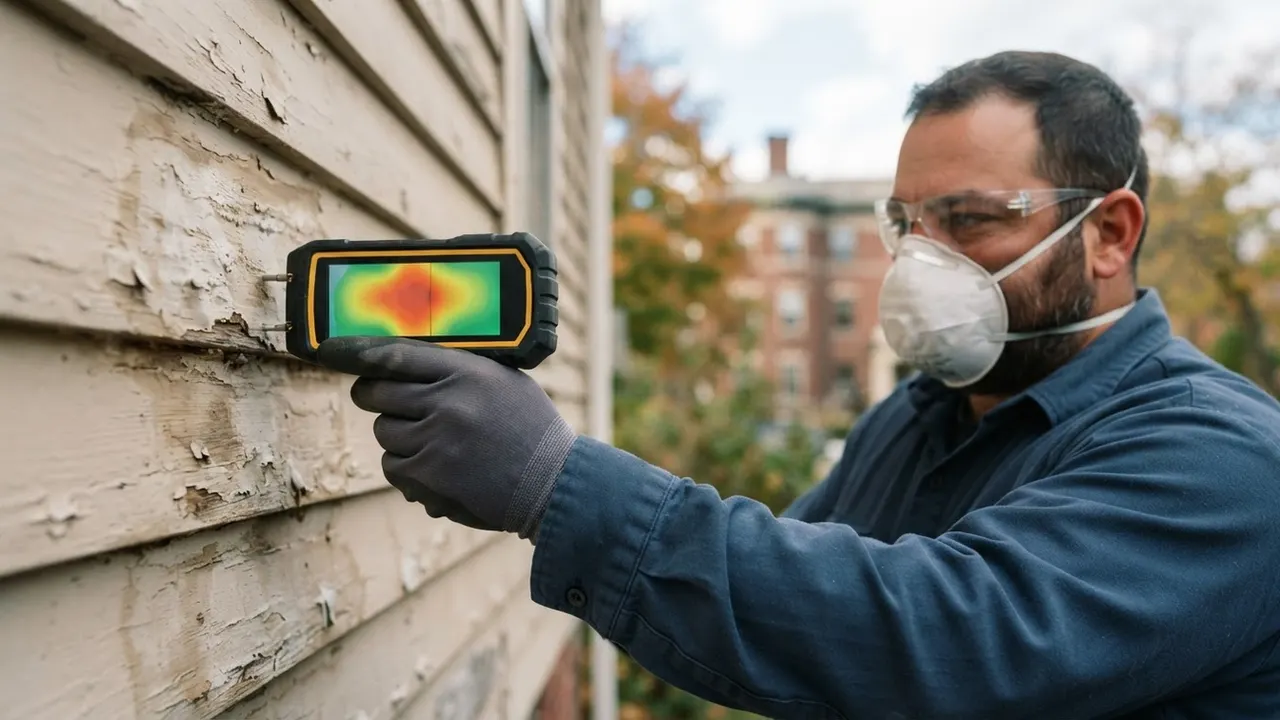
Response: We follow staining, material changes, and moisture readings to narrow the affected area. A thermal imaging camera can help locate temperature patterns that warrant closer checking, while a moisture meter confirms readings at accessible surfaces. We limit removal to areas supported by findings and dry exposed materials thoroughly.

Where we work

Pine HillWyoma SquareLynn CommonHighlands residential streetsLynn Woods edgeHigh Rock area

Highlands service area

Highlands

Latitude: 42.4725

Extract Directions

Local job examples

Example project: 1

Pine Hill

Issue

A basement in Pine Hill took on rainwater after a heavy storm, leaving standing water near stored belongings and dampness along the lower wall.

Work

We removed pooled water with extraction equipment, moved items away from affected edges, and checked the floor-wall junction and accessible materials. We placed air movers and a dehumidifier to support drying, then revisited moisture readings the following day. We also explained where rainwater had entered and what to watch after the next rainfall.

Result

The visible water was extracted during the initial visit, and drying readings were reviewed at the 24-hour check. The homeowner had a clear record of affected areas and a practical next step for the entry point.

Example project: 2

Highlands residential area

Issue

A burst plumbing connection in a Highlands home sent water through a ceiling and onto hardwood flooring before the leak was stopped.

Work

We protected the unaffected room, extracted water from the floor, and inspected the ceiling, wall edge, and floor assembly for moisture. A moisture meter helped us identify where drying was still needed. We then set controlled air movement and dehumidification, returning to check the affected materials before repair work proceeded.

Result

Extraction and drying began on the first visit, and the follow-up readings separated dry areas from materials that needed more attention. The homeowner could address ceiling and flooring repairs using the documented affected zones.

Water Damage Removal in Lynn: Close-up of a handheld moisture meter displaying a color-coded image of dampness within a
How we measure
How we measure

What Highlands Water Damage Work Requires

Drying follows the readings

In Highlands, a dry-looking floor does not prove the assembly underneath is ready. We check water depth, affected square footage, and moisture in the materials that took on water. A basement leak may require extraction first, then air movement and dehumidification; a small pipe leak behind a wall needs a narrower inspection and careful drying plan. We record starting readings and revisit them, often at 24-hour intervals while active drying continues. For water extraction service in Highlands, equipment choice depends on access, water volume, and whether the water is clean or contaminated. We use documented observations to decide when equipment can be removed and when repair can begin. The goal is a dry, stable surface and a clear explanation of what happened, not an arbitrary equipment rental period.

24 hr
Reading checks

Local questions

Who provides water damage removal in Highlands?

water Restoration Pros provides water damage removal for homes and properties in Highlands, Lynn, Massachusetts. We extract standing water, inspect affected materials, and set up drying based on measured conditions. For an urgent leak or flooded basement, call 7812888068 and tell us whether water is still entering. Our team serves the Highlands and nearby Lynn areas, including addresses in 01902 and 01905.

How quickly can water extraction reach a home in Highlands?

We take emergency calls 24/7 and work to arrange the earliest practical response, often within a few hours depending on conditions and access. Tell us the address, water source, and whether water is still flowing so we can prioritize the right equipment. A same-day water extraction service in Highlands is the goal for active flooding, but arrival timing is confirmed on your call.

Is 24/7 flood damage cleanup available in Highlands MA?

Yes, emergency calls for flood damage cleanup in Highlands are accepted 24/7, including nights and weekends. We begin by understanding the source, safety concerns, and amount of standing water, then arrange extraction and cleanup. Heavy rain can push runoff toward lower-lying Highlands properties, so tell us whether water is entering through a foundation, basement opening, or another route.

Credentials and care

Training and Local Compliance

We use trained restoration practices and follow applicable Massachusetts requirements when water damage leads to repair work. Our technicians assess safety before entering wet areas, protect unaffected rooms, and use moisture readings to guide drying. For older Highlands homes, we consider lead-safe requirements before disturbing painted surfaces. Reconstruction work may require permits under the Massachusetts State Building Code, depending on the project. We carry appropriate business insurance and explain the work before it begins. Our service area includes Highlands, Lynn, MA, and nearby parts of Essex County.

Massachusetts Home Improvement Contractor registration
EPA Lead-Safe Certification
IICRC Water Damage Restoration Technician Institute of Inspection, Cleaning and Restoration Certification
When To Call

When to Call for Highlands Water Removal

Call when water remains on a floor, a ceiling is actively dripping, or a basement wall turns damp after rain. Water can travel beneath hardwood, into carpet padding, or behind plaster before visible damage grows. If a pipe has burst, stop the supply if you can do so safely and keep people away from wet electrical areas. Our 24/7 water damage removal near me in Highlands MA service is for urgent leaks and flooding; tell us what happened and whether the water is still entering. Do not wait for a musty smell to confirm a problem.

1. Standing water in the basement

Water on the basement floor can spread beneath stored items and wick into lower wall sections. If it followed heavy rain, the entry point may still be active. Avoid walking through water near electrical equipment, and call for extraction and an inspection of the floor-wall edge.

2. Ceiling stain growing after rainfall

A spreading mark or dripping ceiling points to active roof leak water intrusion, not just an old stain. Water can saturate insulation and travel along framing before it appears indoors. Protect belongings below the leak and arrange source control and moisture checks.

3. Hardwood boards lifting or cupping

Raised edges, gaps, or cupping can indicate moisture below the finish or within the subfloor. Surface drying alone may leave water trapped in underlayment. Prompt inspection helps identify how far the damage extends and whether drying or removal is appropriate.

4. Soft drywall near a pipe or window

Soft, swollen, or discolored drywall can mean water has remained inside the wall assembly. A leak may be concealed behind the first visible damage. We trace the moisture, check adjoining surfaces, and determine whether affected material needs drying or careful removal.

5. Musty odor after a leak or storm

A persistent earthy smell can signal damp materials that were not fully dried, including carpet padding or a wall cavity. Odor alone cannot show the extent, but it warrants moisture checks. Finding and drying the source helps reduce the conditions that support secondary mold growth.

Local Problem Patterns

Common Water Damage Problems in Highlands

Highlands homes face recurring water problems shaped by terrain, weather, and the age of local building stock. Heavy rain can push stormwater toward lower foundations; older plumbing and masonry can make leaks harder to spot; and freeze-thaw cycles can stress roof details and exposed pipes. For Highlands water damage removal, we distinguish a supply-line leak from runoff or sewage backup because each source calls for different cleanup. A moisture check also looks beyond visible stains to flooring layers, wall cavities, and insulation.

Logo

Basement seepage after heavy rain reaches lower-lying Highlands properties

Why it happens here

Hilly terrain can direct runoff toward a low foundation, while repeated rain adds moisture around basement walls and entries. Water may seep through a joint or appear at the floor edge rather than as a single obvious leak.

Our approach

We extract pooled water, inspect the wall-floor junction, and check nearby materials for dampness. We identify the apparent entry path and dry affected areas, then explain what property conditions should be addressed to reduce repeat intrusion.

Logo

Burst pipe water damage spreads through older plumbing routes

Why it happens here

Older housing stock can include vulnerable plumbing and concealed connections. A failed line may wet a ceiling or wall before water reaches the floor, leaving damage in more than one room.

Our approach

We help contain the water, remove standing water, and follow moisture readings through adjoining materials. Once the plumbing source is controlled, we dry affected areas and identify materials that need removal or repair rather than covering them prematurely.

Logo

Roof leaks soak plaster and insulation during freeze-thaw weather

Why it happens here

Winter freeze-thaw cycles can contribute to roof leaks, while wind-driven rain can find weak points around roof details. Water may travel along framing and appear far from the entry point.

Our approach

We protect the area below, trace the visible path, and check ceilings and adjacent walls. We dry reachable materials, assess insulation where accessible, and keep repair decisions tied to the moisture found and the source being controlled.

Logo

Stormwater leaves hidden moisture beneath flooring and basement finishes

Why it happens here

Water that enters quickly can move under carpet, into padding, and below floor finishes. A clean-looking surface can conceal subfloor saturation, especially when water reaches a finished basement.

Our approach

We extract surface water, inspect flooring edges, and measure accessible materials. If moisture remains below the finish, we explain the options for further access, drying, or removal so the affected assembly is addressed rather than masked.

Local Pricing

Water Damage Removal Costs in Highlands

Typical 2026 pricing in Highlands depends on water volume, affected area, material type, and how long moisture has been present. A limited clean-water extraction from one room may fall around $300-$900; a larger basement cleanup with drying can range from $1,500-$5,000 or more. Those are planning ranges, not a quote for your property. Highlands water damage removal costs rise when water reaches multiple rooms, insulation, wall cavities, or hardwood and underlayment. Contaminated water requires additional cleaning steps. We explain pricing upfront before work proceeds, and the final amount reflects the actual equipment, labor, and materials required. Photos and a brief description of the source help us understand the call, but an on-site inspection is needed to assess hidden moisture.

Availability in Highlands: We take emergency water damage calls for Highlands day and night, including weekends and holidays. Call 7812888068 and tell us whether water is still flowing, which rooms are affected, and whether there is standing water. We prioritize active leaks and flooding, then arrange extraction and drying based on the reported conditions and access. Do not enter water near electrical equipment.

1

Water volume and area

A few inches of water across a small utility room takes less extraction time than water spread across a finished basement. We assess the affected square footage and depth, then match pump and vacuum capacity to the amount that needs removal.

2

Materials and hidden moisture

Carpet padding, hardwood flooring, plaster, insulation, and wall cavities require different checks and drying methods. If moisture has traveled beneath a floor or behind a wall, additional inspection and equipment time can increase the total compared with a surface-only cleanup.

3

Water source and cleanup needs

A clean supply-line leak differs from stormwater or sewage backup. The source affects protective measures, cleaning, and whether porous materials can remain. We identify the water category and affected materials before setting the cleanup plan and explaining the expected work.

Year-Round Coverage

Highlands Water Damage Through the Seasons

October brings fall rain and roof checks to the front of the list in Highlands. Hilly lots can move runoff toward basements, and a small roof opening can wet insulation before a ceiling stain appears. In winter, freeze-thaw cycles add risk to exposed plumbing and roof details; spring rain tests foundations; summer storms can bring sudden water intrusion. If you need a same-day water extraction service in Highlands, call as soon as you find standing water. Quick extraction limits the time wet materials remain saturated, while follow-up moisture readings guide drying.

Spring

Spring rain and thawing ground can reveal foundation seepage, damp basement corners, and water entering around lower-level openings. Snowmelt combined with rain can keep soil wet, especially where a sloped lot directs runoff toward the house.

Tip

Check basement edges and stored items after sustained rain. Move belongings off the floor, keep drains accessible, and call if water returns or spreads beyond a small, safely manageable area.

Summer

Summer storms can bring short, intense rainfall that overwhelms a vulnerable entry or reveals a roof leak. Plumbing failures also happen year-round, and warm indoor conditions do not dry soaked flooring or wall cavities reliably on their own.

Tip

After a storm, look at ceilings, basement thresholds, and floor edges. If water is present, photograph the affected area only if safe, then arrange extraction and measured drying.

Fall

Fall is the current season in October, when repeated rain can expose roof weaknesses and direct runoff toward Highlands foundations. Leaves and debris near drainage points can make water management harder, while colder nights begin stressing vulnerable plumbing.

Tip

Inspect accessible roof areas from the ground, keep drainage paths clear, and note new stains after rain. Call promptly if a ceiling drips or basement water is actively entering.

Winter

Freeze-thaw cycles can contribute to burst pipes and roof leaks, especially in exposed or poorly heated areas. Water may remain hidden in a wall or ceiling until temperatures rise, then show as staining, swelling, or a drip.

Tip

Know where your main water shutoff is and protect vulnerable pipes from freezing. If a line breaks, stop the flow when safe and call for extraction before wet materials remain saturated.

Hiring Smart

Questions to Ask Before Hiring in Highlands

A strong water damage contractor explains what happens first, how affected materials will be checked, and how you will know when drying is complete. In Highlands, ask how the crew handles basement seepage, older plaster, and concealed moisture rather than accepting a one-size-fits-all equipment plan. You should also understand who is doing extraction and whether the company has relevant training and insurance. Clear answers help you compare the work, not just a promised arrival or a low initial price.

  1. 1

    "How will you find moisture beyond the visible stain?"

    Why it matters

    Water can travel through a Highlands home and appear away from the source. A contractor should describe how they inspect adjacent materials and use moisture measurements, rather than stopping when the visible surface looks dry.

  2. 2

    "What equipment will you use in my basement?"

    Why it matters

    The right setup depends on water depth, room access, and affected materials. A portable pump, vacuum, air mover, and dehumidifier each serve different purposes. A clear answer shows the contractor is matching equipment to your property.

  3. 3

    "How often will you check drying progress?"

    Why it matters

    Drying is a measured process, not a timer. Ask whether the crew records readings and returns to review them. Follow-up checks help confirm whether walls, floors, and other affected materials are actually drying.

  4. 4

    "Do you handle older plaster and painted surfaces safely?"

    Why it matters

    Highlands homes can contain older finishes that need careful assessment before removal or repair. The contractor should explain how material age, lead-safe practices, and containment are considered when work disturbs painted surfaces.

  5. 5

    "How do you price extraction and structural drying?"

    Why it matters

    The price should reflect water volume, affected area, equipment time, and materials. Ask for a straightforward explanation of the work and the factors that change the cost so you can understand what the service addresses.

Knowing the Area

Local Landmarks That Orient Our Visits

Landmarks help us confirm where a Highlands property sits and which approach is practical, especially when equipment needs to be carried through a side entrance or narrow driveway. We use recognizable points to clarify directions, then follow the address and access details you provide. This matters when a portable pump, extraction hoses, and drying equipment need a clear route into the building. We keep the visit focused on your property and avoid blocking neighbors or shared access.

Landmarks

  • Lynn Woods Reservation

    Lynn Woods Reservation helps orient visits near the Highlands' wooded edge, where sloped lots can direct rainwater toward basement walls. We ask about the property's drainage and entry point before choosing extraction and drying equipment.

  • High Rock Tower

    High Rock Tower is a recognizable reference for addresses in the surrounding Highlands area. It helps us confirm local directions while we arrange the closest practical place to unload equipment and reach the affected rooms.

  • Lynn Museum and Historical Society

    The Lynn Museum and Historical Society provides a familiar city reference when coordinating a visit from the Highlands toward central Lynn. Clear directions help us avoid delays when water is still active and extraction needs to begin promptly.

Commercial Districts

  • Lynn Common area

    Homes and small properties near Lynn Common can experience plumbing leaks, roof intrusion, and water reaching lower floors. We plan for occupied buildings, protect unaffected rooms, and keep equipment placement clear of entrances.

  • Wyoma Square area

    The Wyoma Square area includes residential properties where basement seepage and interior plumbing leaks can require extraction and drying. We assess each building's floor and wall materials before beginning cleanup.

Transport & Access

  • Lynn station

    Lynn station is a useful central orientation point when arranging access between Highlands addresses and the wider Lynn service area; property access still determines unloading and equipment placement.

  • Breed Middle School

    Breed Middle School is a recognizable local reference for nearby Highlands visits. We confirm the street address and driveway details with you so equipment reaches the affected entrance efficiently.

Service Area

Water Damage Removal Coverage Across Highlands & Essex County

Routine and same-week appointments for residents and businesses across Essex County, including the ZIP codes below.

019050190401902019010190301910
!

Call for Water Damage Removal in Highlands

Water in your Highlands home needs a clear first step: stop the source if safe, keep away from electrical hazards, and call us to arrange extraction. Our team serves Highlands and nearby Lynn neighborhoods, with 24/7 emergency call availability. Tell us whether the problem is a burst pipe, roof leak, or basement flooding, and we will help you move from standing water to a measured drying plan.

Call now
Call Now: 7812888068