Logo
Downtown Lynn service

Water Damage Removal in Downtown Lynn, Done Right

Water Damage Removal in Downtown Lynn starts with stopping the source, removing standing water, and finding moisture that has traveled beyond what you can see. We work in the older homes and commercial buildings around Lynn Common, Central Square, and the Diamond District, where a small leak can reach plaster, flooring, and basement storage quickly. Call us for direct help in Downtown Lynn, Massachusetts, including ZIP code 01901.

24/7
Emergency availability
Before drying
Moisture checks
Rain and roof leaks
October focus

About this area

Water Damage Removal in Downtown Lynn

Why we work here

Downtown Lynn has closely spaced homes, mixed-use buildings, older basements, and commercial spaces where water can move between floors or adjoining rooms. Low-lying areas near the waterfront face heavy-rain drainage concerns, while coastal storms can bring wind-driven rain and localized flooding. We serve this area because a quick, methodical response can limit damage to plaster, flooring, and stored belongings. When you call, we focus first on safety and the active water source, then on extraction and drying. That approach is useful whether you manage a storefront near Central Square or live on an upper floor above a damp basement.

Local help for leaks, flooding, and soaked interiors

Water Damage Removal in Downtown Lynn is a property restoration service that removes unwanted water and dries affected building materials after leaks, flooding, or plumbing failures. We serve homes and businesses near Lynn City Hall, Lynn Memorial Auditorium, and Lynn MBTA Station, where dense older residential and commercial building stock brings a mix of plaster walls, finished floors, and tight access points. Our work begins by identifying the source and documenting visible and hidden moisture, then choosing extraction and drying methods that suit the structure. For water damage removal Downtown Lynn MA residents can call us for help with a burst pipe, roof leak, basement flooding, or stormwater seepage. We use moisture meters and thermal imaging cameras to check wall cavities and flooring instead of relying on surface appearance. Our technicians explain what needs to be removed, what can be dried in place, and how drying progress will be measured. Downtown Lynn water damage removal is available for properties in 01901 and nearby parts of Lynn, with service organized around the building's access, water source, and affected materials.
Services available

Downtown Lynn Water Damage Services

Water damage in Downtown Lynn often starts with a plumbing leak or roof opening, then spreads through older materials before the surface looks seriously affected. We remove standing water, separate salvageable materials from those that need removal, and set drying equipment where it can circulate without blocking essential access. For urgent losses, our same-day water extraction service in Downtown Lynn begins with the affected rooms and the source of water, then expands to connected spaces if readings show moisture movement. We serve residences, rental properties, offices, and ground-floor businesses throughout the neighborhood.

How we work locally

How We Handle Downtown Lynn Water Damage

Challenge: Older basements take on water during heavy rain near the waterfront

Water can enter through below-grade walls, floor joints, or drains and spread across storage areas before anyone notices. In Downtown Lynn, older basement systems may be vulnerable to leaks, so the visible puddle may not show the full affected area.

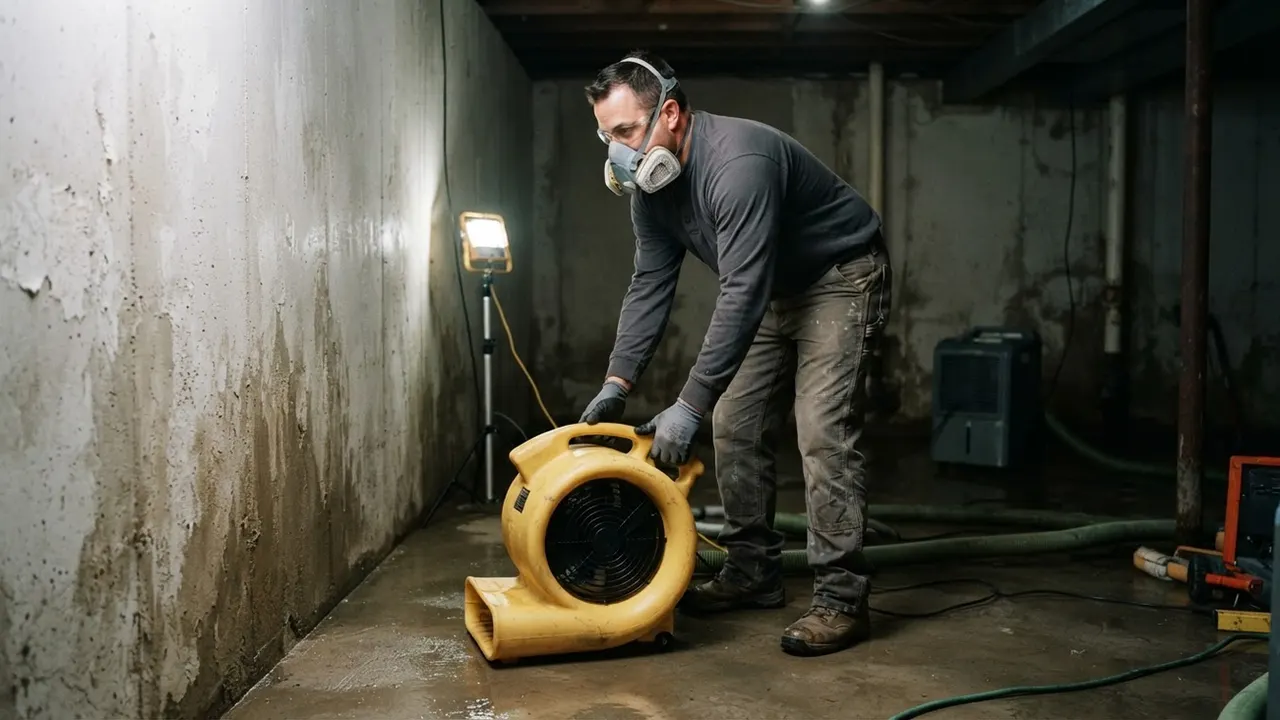
Response: We remove standing water with equipment suited to the basement access, then check the lower walls, floor edges, and stored items for moisture. We identify the likely entry point and keep drying equipment clear of steps and utility access. If water is contaminated, we separate affected porous materials from items that can be cleaned.

Challenge: Shared entries and narrow stairs limit equipment movement in older buildings

Large equipment and wet contents can be difficult to move through compact entries, stairwells, and occupied corridors. That can slow safe access to a damaged room and create trip hazards if hoses or cords are placed carelessly.

Response: We plan a clear route before bringing equipment inside, protect nearby surfaces, and place hoses and cords to reduce obstruction. Where access is tight, a portable water extraction pump or wet/dry vacuum can fit where larger equipment cannot. We coordinate room access with you and keep shared paths usable.

Where we work

Central SquareLynn CommonDiamond DistrictLynn City Hall areaLynn Memorial Auditorium areaLynn MBTA Station area

Downtown service area

Downtown Lynn

Latitude: 42.4668

Extract Directions

Local job examples

Project example: 1

Lynn Common

Problem

A heavy-rain leak left standing water in an older basement near Lynn Common, wetting stored belongings and the lower portions of two walls.

Work

We extracted standing water with a portable pump and wet/dry vacuum, moved salvageable items away from the damp walls, and checked the perimeter for moisture. After removing unsalvageable porous materials, we placed air movers and a refrigerant dehumidifier to dry the remaining structure. We tracked readings at three points and reviewed the likely water entry area with the homeowner.

Result

The visible water was removed during the first work visit, and drying readings were checked over the following days. The homeowner had a clear list of materials to repair and a dry, accessible basement floor.

Project example: 2

Central Square

Problem

A supply-line failure in an upper-floor Downtown Lynn residence soaked a ceiling, plaster wall, and part of the hardwood floor below.

Work

We stopped the active water source with the property's plumber, extracted water from the floor, and checked the ceiling and wall cavity for hidden moisture. We protected the unaffected room, removed the compromised ceiling section, and positioned air movers to dry the framing and floor edge. Moisture checks guided the timing of repair work.

Result

The affected ceiling and flooring were documented separately, allowing the dry areas to remain in place. Drying equipment was adjusted after follow-up readings, and the repair area was limited to materials that could not be restored.

What we check
What we check

What Downtown Lynn Water Losses Reveal

Moisture beyond the stain

A ceiling mark in a Downtown Lynn apartment does not always define the full water loss. Water can travel along framing, collect above plaster, and reach flooring in the room below. We map the affected area, record moisture readings, and compare them during drying rather than relying on a single visual check. A common local pattern is a roof leak or plumbing failure that wets two levels while leaving one wall apparently dry. Our equipment choices follow the readings: extraction for standing water, air movers for circulation, and dehumidification to remove moisture from the room air. For Downtown Lynn water damage removal, the useful proof is a documented change in material moisture and a clear explanation of what remains to be repaired. We tell you what was wet, what was dried, and what should be replaced.

3
Moisture checkpoints

Local questions

Who provides water damage removal in Downtown Lynn?

Water Restoration Pros provides water damage removal in Downtown Lynn for homes, rentals, and commercial properties. We extract standing water, check affected materials, and set a drying plan based on the source and moisture readings. Our service covers 01901 and nearby Lynn areas. Call 7812888068 to describe the leak, affected floor, and property access so we can discuss the next step.

How quickly can water extraction reach a home in Downtown Lynn?

We take emergency calls 24/7 and provide an arrival time when you call with your Downtown Lynn address. Timing depends on current road conditions and active work, so share whether water is still flowing and which entrance is usable. A same-day water extraction service in Downtown Lynn begins by stopping the source when possible and removing standing water from the affected area.

Is 24/7 flood damage cleanup available in Downtown Lynn MA?

Yes, emergency water damage calls are accepted 24/7 in Downtown Lynn, MA. We prioritize active water, safety concerns, and standing water, then assess cleaning and drying needs. For waterfront or basement flooding after heavy rain, tell us whether the water came from outside, a drain, or a plumbing line. That detail helps us choose appropriate protective and cleanup steps.

Credentials and care

Training and Local Compliance

We protect your home or business by matching the work to the water source, affected materials, and applicable requirements. Our team follows OSHA safety training and uses recognized restoration practices for extraction and drying. Repair work in older Downtown Lynn properties receives particular attention to painted surfaces and the EPA Renovation, Repair and Painting Rule where applicable. We carry Massachusetts Home Improvement Contractor registration for covered home improvement work and explain the distinction between emergency cleanup and repair. Before equipment runs, we identify the affected areas and describe how readings will guide the drying process.

Massachusetts Home Improvement Contractor registration
EPA Lead-Safe Certification
IICRC Water Damage Restoration Technician Institute of Inspection, Cleaning and Restoration Certification
When To Call

When to Call for Downtown Lynn Water Removal

Call when you see active water, a spreading ceiling stain, a wet basement, or flooring that feels soft underfoot. In Downtown Lynn, older building materials can conceal water behind plaster or beneath hardwood, so a small visible mark is not always a small loss. Our 24/7 water damage removal near me in Downtown Lynn MA service begins with the source and affected area, then checks nearby rooms for moisture. If water is near electrical equipment, avoid the area and call for help. The sooner standing water is removed, the less time materials remain saturated.

1. A ceiling stain grows after rain

A spreading mark can signal roof leak water intrusion that has moved along framing or behind plaster. The ceiling surface may look stable while insulation or a wall cavity remains wet. Call promptly, especially after coastal storms, so the source and full moisture path can be checked before repairs cover it.

2. Water pools along a basement wall

A puddle beside a foundation wall may come from stormwater seepage, a drain issue, or a plumbing leak. Older Downtown Lynn basements can admit water at more than one point. Remove people and belongings from the wet area, avoid electrical hazards, and arrange extraction and inspection.

3. Hardwood boards cup or lift

Raised edges, gaps, or a soft feel can indicate moisture beneath hardwood flooring or saturated underlayment. Water trapped below the surface can continue damaging the subfloor even after the room appears dry. A moisture check helps determine whether the floor can dry in place or needs selective removal.

4. Paint bubbles or plaster turns soft

Bubbling paint and soft plaster often mean water has reached the wall assembly, not just the finish. If the source is still active, the wet area can expand into adjoining rooms. We trace the moisture, check the cavity, and decide whether controlled drying or removal is appropriate.

5. A musty odor remains after cleanup

A persistent musty smell can point to hidden moisture in carpet padding, insulation, or a wall cavity. Secondary mold growth becomes more likely when damp materials stay wet. Do not mask the odor with fragrance; locate the wet materials and have them assessed for drying or removal.

Local Problem Patterns

Common Downtown Lynn Water Damage Problems

Downtown Lynn's older basements and building systems may be vulnerable to leaks, while low-lying waterfront areas face heavy-rain drainage concerns. Coastal storms can drive rain through roof and wall openings, and a plumbing leak in a multi-level building can affect rooms below. For emergency water damage cleanup Downtown Lynn Massachusetts, we first identify the water source and whether the water is clean or contaminated. That determines the extraction, cleaning, and drying steps. We also consider whether plaster, gypsum board, insulation, or flooring can be dried safely or needs removal before repair.

Logo

Basement flooding after heavy rain in low-lying waterfront areas

Why it happens here

Heavy rain can overwhelm local drainage and push water through basement openings, floor joints, or older drains. Below-grade spaces may hold water around stored goods and wall bases, while the entry point remains difficult to see. A damp basement can stay wet after surface puddles are gone.

Our approach

We extract standing water, identify the affected perimeter, and check lower wall materials and contents. We separate items that can be cleaned from porous materials that absorbed contaminated water. Drying equipment is positioned to reach the damp surfaces, and we explain any repair needs once readings guide the next step.

Logo

Burst pipe water damage crossing floors in older mixed-use buildings

Why it happens here

A failed supply line can release water above a ceiling and send it down through plaster, light openings, or floor edges. Downtown Lynn's dense building stock includes occupied spaces above or beside one another, so damage may extend beyond the room where the leak began.

Our approach

We address active water first, extract from affected floors, and inspect connected rooms and ceilings below. Moisture readings help identify wet cavities and flooring layers. We protect unaffected areas and coordinate the restoration sequence so the drying work and necessary plumbing or repair work do not conflict.

Logo

Wind-driven rain entering roofs and wall openings during coastal storms

Why it happens here

Strong coastal weather can push rain beneath roof edges or through vulnerable exterior openings. Water may follow framing and show up as a stain several feet from its entry point. A wet ceiling can conceal moisture in insulation and wall cavities.

Our approach

We map the water pattern, protect belongings, and check beyond the visible stain. After the opening is addressed, we remove standing water and dry affected materials with measured airflow and dehumidification. We document areas requiring repair so you can address the source as well as interior damage.

Logo

Sewage backup affecting basement floors and stored belongings

Why it happens here

A drain backup can introduce contaminated water into a basement or ground-floor space, especially when heavy rainfall strains drainage systems. Porous stored items and floor coverings can absorb contamination, making ordinary mopping inadequate and increasing cleanup complexity.

Our approach

We keep people away from contaminated areas, remove affected water and materials using appropriate protective procedures, and clean surfaces before drying. We assess porous belongings individually and explain what can be cleaned safely. The work area stays separated from unaffected rooms to reduce cross-contamination.

Local Pricing

Water Damage Removal Costs in Downtown Lynn

Typical 2026 pricing for water damage removal in Downtown Lynn depends on the water volume, affected materials, and number of rooms. A limited extraction and drying job may run about $500-$1,500, while multi-room losses with material removal and several days of equipment can range from $2,000-$7,500 or more. These are planning ranges, not a flat quote. Water damage restoration near Downtown Lynn costs more when water reaches wall cavities, subfloors, or multiple floors, or when contaminated water requires additional cleaning. We explain the price before work proceeds and identify the tasks that drive it. Call with the source, affected floor, and approximate room size for a useful first conversation.

Availability in Downtown Lynn: We take emergency water calls in Downtown Lynn around the clock, including evenings, weekends, and holidays. Arrival time depends on the address, current road conditions, and the active work already underway, so call 7812888068 for the clearest timing. For 01901 properties, tell us whether water is still flowing, which floor is affected, and whether the building has a safe entrance. We prioritize stopping active water and removing standing water before planning the remaining drying work.

1

Water volume and category

A small clean-water leak is usually simpler to extract and clean than water involving a drain or outdoor flooding. Contamination changes the protective steps, cleaning materials, and disposal needs. We identify the source and visible conditions first, then explain how those details affect your Downtown Lynn job price.

2

Materials and hidden moisture

Plaster, hardwood flooring, carpet padding, and underlayment each respond differently to water. If moisture has entered a wall cavity or saturated a subfloor, additional checks and drying time are needed. Material removal and replacement add labor and disposal costs beyond basic extraction.

3

Access and equipment duration

A basement reached by a narrow stairway or a commercial space with limited unloading access can take more handling time. Drying equipment may run for several days, depending on readings and room conditions. We measure progress and adjust the setup rather than choosing an arbitrary equipment schedule.

Year-Round Coverage

Downtown Lynn Water Damage by Season

In October, Downtown Lynn properties face fall rain and coastal storms that can expose roof leaks and drainage weaknesses; winter follows with frozen-pipe risks. Spring brings repeated rain and basement seepage, while summer storms can send water through openings or overwhelm lower-level drainage. If a storm leaves water inside, emergency flood cleanup for homes in Downtown Lynn starts with safe access, source control, and extraction. Seasonal preparation helps, but older building systems still need attention. We adapt drying plans to indoor temperature, ventilation, and the materials affected rather than relying on the season alone.

Spring

Repeated rainfall and changing ground conditions can reveal basement seepage around older foundations. Water may collect at wall-floor joints or enter through a drain. Wet carpets and stored items in low-level rooms need quick attention before moisture spreads into surrounding materials.

Tip

Check basement corners and floor drains after heavy rain, and move stored items off the floor. If water appears, avoid electrical hazards and call for extraction before the room remains saturated.

Summer

Summer storms can deliver intense rainfall over a short period, while roof leaks may become visible during wind-driven downpours. Ground-floor businesses and homes can take water at thresholds or through aging exterior openings. Warm, humid indoor air can also slow drying.

Tip

Keep roof and exterior drainage clear where safely accessible, and note where water first appears. After a leak, run no household fan into a contaminated area; have the source and materials checked first.

Fall

October and late fall bring rain and coastal-storm concerns that can expose roof weaknesses before colder weather arrives. Leaves and debris can interfere with drainage, while wind can drive rain into vulnerable openings. Basement seepage may follow prolonged rainfall.

Tip

Inspect visible roof and drainage conditions before storms, without climbing onto a wet roof. After rain, check ceilings, basement walls, and window areas; report new stains before they spread.

Winter

Freezing temperatures raise the risk of burst pipe water damage in exposed or poorly heated areas. A pipe failure can release water quickly and soak ceilings, floors, and wall cavities. Once the source is controlled, cold indoor conditions can affect how drying equipment is arranged.

Tip

Know where the main water shutoff is and keep vulnerable spaces adequately heated. If a pipe breaks, shut off water if safe, avoid wet electrical areas, and call for extraction and drying.

Hiring Smart

Questions to Ask Before Hiring Locally

A good restoration contractor should explain what is wet, how it will be measured, and what happens next. Downtown Lynn buildings can have plaster, hardwood, shared entrances, and hidden moisture, so a one-size setup is not enough. Ask how the crew will protect your occupied rooms, what equipment they plan to use, and how they will know drying is complete. Clear answers should name the work, not rely on broad promises. You should also know who handles repairs and whether the contractor understands relevant Massachusetts requirements for the work involved.

  1. 1

    "How will you find moisture behind the visible damage?"

    Why it matters

    The answer should include a practical inspection method, such as moisture readings and a check of adjoining rooms or material layers. A contractor who only looks at a stain may miss wet insulation, subfloor saturation, or moisture inside a wall cavity. Ask how progress will be recorded.

  2. 2

    "What equipment will you use in my Downtown Lynn building?"

    Why it matters

    Equipment should match the water volume, access, and materials. A narrow basement stair may suit a portable pump better than a large unit, while structural drying may require air movers and dehumidification. The contractor should explain placement, noise, and how shared paths will stay usable.

  3. 3

    "How do you handle older plaster and painted surfaces?"

    Why it matters

    Older Downtown Lynn homes may need careful material assessment before cutting or sanding. A knowledgeable contractor will distinguish wet plaster that can dry from material that must be removed and consider lead-safe requirements where applicable. The answer should show respect for existing finishes and occupant safety.

  4. 4

    "How will you keep my business or hallway accessible?"

    Why it matters

    Shared entries and active storefronts need planned equipment placement. Ask how hoses, cords, and removed materials will be managed, and whether the crew will coordinate access with you. A clear response reduces trip hazards and unnecessary interruption while extraction and drying are underway.

  5. 5

    "How will I know the structure is dry enough for repairs?"

    Why it matters

    The contractor should explain how readings are taken and compared over time, rather than declaring completion because the surface feels dry. Ask which materials are being monitored and what the readings show. That information helps prevent repairs from covering damp materials that can cause later problems.

Knowing the Area

Landmarks We Use Around Downtown Lynn

Downtown Lynn landmarks help us confirm the right block and entrance when you describe a water loss. We use Lynn City Hall, Lynn Memorial Auditorium, and Lynn Heritage State Park as orientation points, then verify the street address and access details with you. This matters in compact commercial areas, where several businesses may share an entry or loading space. Clear directions help us bring the right extraction equipment without blocking a walkway or delaying access to the affected room.

Landmarks

  • Lynn City Hall

    We use City Hall as a familiar reference for nearby homes and mixed-use buildings. If your property is close by, tell us the entrance side and floor so we can plan equipment movement and avoid confusion among neighboring addresses.

  • Lynn Memorial Auditorium

    The auditorium helps identify nearby commercial and residential blocks. For a leak affecting a business or upper-floor space, we confirm the access point and any shared corridor before bringing hoses, air movers, or extraction equipment inside.

  • Lynn Heritage State Park

    The park is a useful orientation point for Downtown Lynn properties and nearby waterfront routes. We confirm the precise address and water entry point with you, especially after heavy rain when several low-lying locations may report seepage.

Commercial Districts

  • Central Square

    Businesses around Central Square need water removed without leaving wet floors or obstructed entrances. We focus first on standing water and affected stock, then dry the floor and adjoining materials so cleanup can progress safely.

  • Lynn Common business area

    Small offices and ground-floor businesses near Lynn Common can face plumbing leaks, roof intrusion, or water from an upper unit. We plan work around opening hours and shared building access while keeping the affected area contained.

Transport & Access

  • Lynn MBTA Station

    The station is a central access reference for Downtown Lynn. We confirm the property's street address and unloading point directly, since curbside availability and building entry vary by block.

  • Central Square transit connections

    Central Square is a practical local orientation point for nearby calls. We use your address and entrance instructions to select an approach that avoids unnecessary equipment movement through busy pedestrian areas.

Service Area

Water Damage Removal Coverage Across Downtown Lynn & Essex County

Routine and same-week appointments for residents and businesses across Essex County, including the ZIP codes below.

019050190401902019010190301910
!

Call for Water Damage Removal in Downtown Lynn

Standing water, a burst pipe, or a storm leak can keep damaging your Downtown Lynn property while you wait. Call Water Restoration Pros at 7812888068 and tell us where the water started, what rooms are affected, and whether it is still flowing. Our team takes emergency calls 24/7 and explains the extraction and drying steps for your building. We use moisture readings to track the work, not guesswork.

Call now
Call Now: 7812888068