Logo
Local water cleanup

Water Damage Removal in Lynn Common, Done Right

Water Damage Removal in Lynn Common starts with stopping the source and getting standing water out before it spreads through older floors, plaster, and wall cavities. We serve homes and businesses near Lynn Common, Lynn Memorial Auditorium, and Lynn City Hall, including addresses in 01901. Our crew checks the affected rooms, explains the next steps, and uses measured drying rather than guesswork. Call us when a leak, pipe failure, or heavy rain leaves your property wet.

24/7
Emergency response
Room by room
Moisture checks
Rain and basement seepage
October focus

Local service overview

Water Damage Removal in Lynn Common

Why we work here

Lynn Common brings together older homes, apartments, small businesses, and civic buildings close to busy streets and established neighborhood routes. Heavy rain can create localized street and basement water issues, while older plumbing increases the chance of leaks and pipe failures inside walls or beneath sinks. Cold-season freeze-thaw conditions also stress exterior masonry, giving water a path through cracks that may be easy to miss until staining appears indoors. We serve this area because water problems here rarely stay neatly contained to one surface. A small leak above a plaster ceiling can reach a second room; a basement puddle can affect stored belongings, finished walls, and a furnace area. We help Lynn Common property owners get the water out, identify what remains damp, and make a practical plan for drying and repair.

We stop water, dry your home, and repair damage.

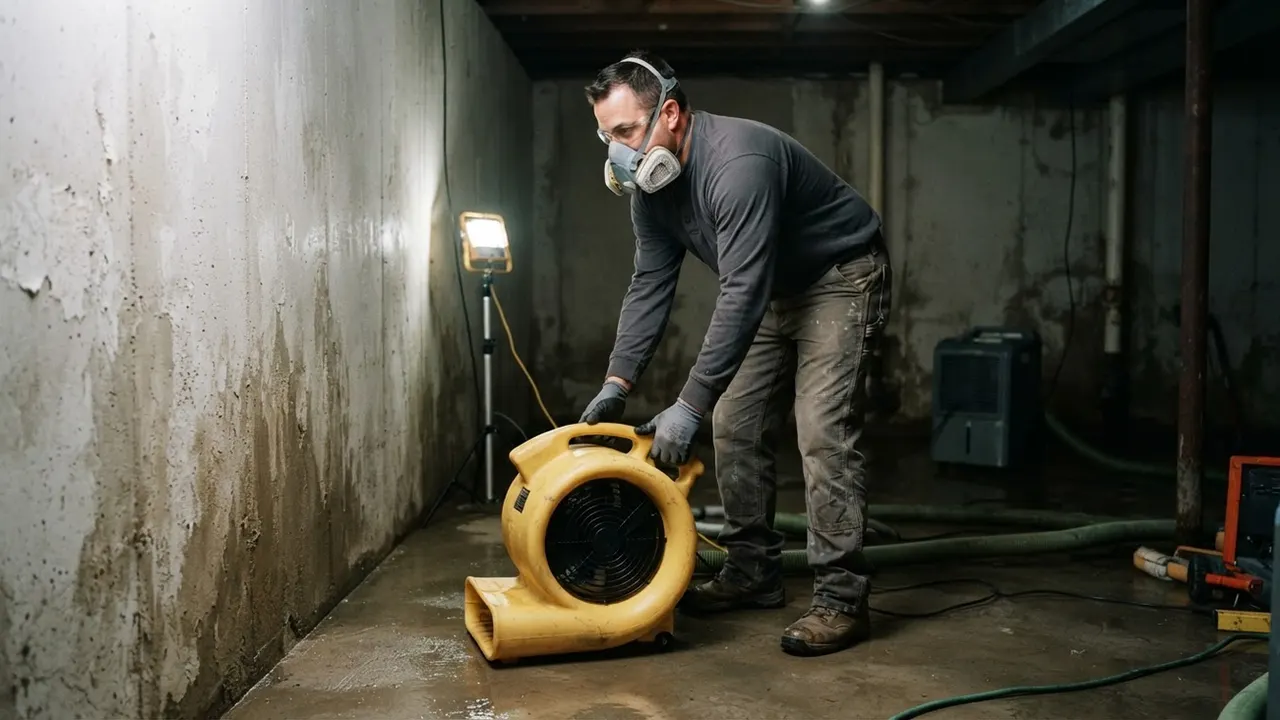
Water Damage Removal in Lynn Common is a restoration service that removes unwanted water and dries affected building materials after leaks, flooding, or storm intrusion. We work throughout this part of Lynn, where established urban housing includes older construction, plaster finishes, and layered flooring that can hold moisture after the surface looks dry. A moisture meter helps us check beyond visible stains, while a thermal imaging camera can point us toward hidden wet areas without opening every wall. Our crew handles water damage removal Lynn Common MA property owners need after a burst pipe, roof leak, sewage backup, or water entering a basement. We map the damage, extract standing water, and set drying equipment according to the materials involved. Nearby calls take us between Downtown Lynn, Central Square, and the Diamond District, with service extending through ZIP code 01901 and surrounding parts of Essex County. We explain what can be dried and what needs removal before work begins. Waterlogged carpet padding, saturated insulation, and swollen underlayment need different decisions from a damp plaster surface. Our goal is to limit further damage, document moisture readings, and return your rooms to a dry, usable condition.
Services available

Water Damage Services for Lynn Common

Water damage in Lynn Common often starts with a familiar local problem: heavy rain pushing toward a basement, an aging supply line leaking behind a cabinet, or water entering through a roof after a storm. We respond to the source and the resulting damage, whether you need extraction in one room or drying across several floors. If you need emergency flood cleanup for homes in Lynn Common, call as soon as it is safe to do so; early removal reduces the time water sits against wood, plaster, and flooring. We serve residential and commercial properties across the Common and nearby neighborhoods.

How local work happens

A Careful Drying Plan for Local Buildings

Challenge: Heavy rain sends localized runoff toward low basements and street-level entries

Water can arrive from more than one direction, especially where a basement stairwell, window well, or foundation joint sits below surrounding grade. That makes it important to distinguish rainwater from a plumbing leak and check multiple sides of the affected room.

Response: We trace the visible water path, inspect nearby foundation edges, and extract standing water before setting drying equipment. We separate wet contents from salvageable items and check wall bottoms and flooring transitions for retained moisture. If water continues entering, we tell you what needs to be stopped before interior drying can hold.

Challenge: Older plumbing can fail inside walls, beneath sinks, or near heating lines

A slow leak can wet gypsum board, plaster, insulation, and subflooring before a ceiling mark or floor swell appears. In attached or multi-unit buildings, water may also travel beyond the room where the leak began.

Response: We map the affected footprint using visual inspection and moisture readings, then focus extraction and drying on confirmed wet areas. We coordinate with you to identify the shutoff and the source repair, protect dry rooms, and check adjoining surfaces. We do not treat a dry-looking finish as proof that the cavity is dry.

Nearby neighborhoods

Lynn CommonDowntown LynnDiamond DistrictCentral SquareHighlandsWest Lynn

Lynn Common service area

Lynn Common

Latitude: 42.4668

Extract Directions

Local project examples

Project example: 1

Lynn Common

Problem

A supply-line leak in an older Lynn Common apartment wet the kitchen floor, adjacent hallway, and the bottom edge of a plaster wall before the resident found the shutoff.

Work

We helped stop the leak, extracted water from the kitchen and hall, and checked the wall and floor edges for spread. Our crew removed wet carpet padding where it could not be dried in place, positioned air movers, and monitored the affected materials. We kept the apartment entrance clear and updated the resident as drying progressed.

Result

Moisture readings were checked daily across the affected rooms. The wet padding was removed, the retained surfaces dried, and the resident had a clear list of areas ready for repair rather than a blanket tear-out.

Project example: 2

Central Square

Problem

Heavy rain entered a lower-level storage room near Central Square, leaving pooled water along the foundation wall and dampening boxes and the bottom of stored furnishings.

Work

We removed standing water with extraction equipment, moved salvageable belongings away from the wet wall, and checked nearby floor and wall surfaces. After the visible water was gone, we set controlled air movement and dehumidification. We also showed the customer where water had entered so the exterior issue could be addressed.

Result

The room was cleared of pooled water and monitored during drying. Damaged porous contents were separated from items that could be retained, and the owner received a practical repair sequence for the entry point and affected finishes.

Work process
Work process

What Lynn Common Water Losses Show

Measured drying, clear next steps

Each Lynn Common water loss has its own footprint, but the same practical checks help prevent missed moisture. We record affected rooms, visible damage, and moisture readings before drying; then we recheck materials as equipment runs. A basement seepage call may involve floor edges and stored items, while a burst pipe can leave wet drywall and hidden moisture inside wall cavities on more than one level. For Lynn Common water damage removal, we match extraction tools to the access and volume, then use air movement and dehumidification to support drying. We explain which materials are being retained and which need removal, including carpet padding or saturated insulation. No two jobs produce the same drying timeline, so we base progress on readings rather than a promised number of hours. You receive practical updates about equipment, access, and the next repair step.

Daily
Moisture checks

Local questions

Who provides water damage removal in Lynn Common?

water Restoration Pros provides water damage removal in Lynn Common for homes, apartments, and businesses. We extract standing water, check affected materials, and set a drying plan based on moisture readings. Our crew handles leaks, basement flooding, stormwater, and water-damaged finishes near the Common and surrounding neighborhoods. Call 7812888068 to describe the water source, affected rooms, and whether water is still entering.

How quickly can water extraction reach a home in Lynn Common?

We take emergency calls 24/7 and prioritize active leaks and standing water for the earliest safe arrival. Exact arrival time depends on the current call and property access, so share your address, entrance details, and whether stairs or a shared hallway are involved. A same-day water extraction service in Lynn Common is arranged when the schedule and conditions allow; we will tell you the next available response.

Is 24/7 flood damage cleanup available in Lynn Common MA?

Yes, emergency flood cleanup is available by phone 24/7 for Lynn Common MA properties with active water intrusion or flooding. We first help you consider immediate safety, including electrical hazards, then arrange extraction and drying. Heavy rain can create localized basement and street-level water issues here, so tell us whether the water is rising, contaminated, or near electrical equipment when you call.

Credentials and care

Local Credentials and Compliance

Our restoration work follows recognized water-damage practices and applicable Massachusetts requirements. Team members with IICRC Water Damage Restoration Technician training assess the loss, extract water, and monitor drying; OSHA safety training supports safe work around wet floors and equipment. Where older painted surfaces may be disturbed, EPA Lead-Safe Certification and the EPA Renovation, Repair and Painting Rule guide lead-safe practices. We also carry Massachusetts Home Improvement Contractor registration for applicable repair work. We explain how each credential relates to your Lynn Common property and its specific materials.

Massachusetts Home Improvement Contractor registration
EPA Lead-Safe Certification
IICRC Water Damage Restoration Technician Institute of Inspection, Cleaning and Restoration Certification
When To Call

When to Call for Water Damage Help

Call when you find standing water, a spreading ceiling stain, a soft floor, or a damp odor that persists after a leak. In Lynn Common, heavy rain and older plumbing can leave water behind finished surfaces, especially in basements and rooms beside exterior masonry. If your basement is taking on water, basement water removal in Lynn Common MA should start as soon as the area is safe to enter. Do not assume a dry surface means the wall cavity or subfloor is dry. We can inspect, extract, and explain what needs immediate attention.

1. Water pooling along a basement wall

Pooling after rain can point to stormwater seepage through a foundation joint, window well, or floor edge. It needs prompt attention because water can reach stored belongings, electrical equipment, and porous wall materials. If water is still entering, avoid the affected area until it is safe.

2. A ceiling stain grows after rainfall

A widening stain can mean roof leak water intrusion has reached insulation or the ceiling cavity. The surface may look small while moisture spreads above it. We inspect the area around the stain, extract any collected water, and dry affected materials before the ceiling is repaired.

3. Floorboards cup or feel soft

Cupping hardwood or a soft spot can signal water trapped beneath the finish, in the underlayment, or in the subfloor. Delaying inspection can make repair more extensive. We check the edges and nearby rooms, then determine whether drying or removal is the safer option.

4. A musty odor appears after a leak

A persistent damp smell can indicate hidden moisture inside wall cavities, under carpet padding, or behind stored items. Odor alone does not identify the source, but it is a reason to inspect instead of covering the smell. Early drying helps reduce conditions that support secondary mold growth.

5. A pipe leak wets walls or cabinets

Water around a cabinet, baseboard, or plumbing wall can travel farther than the visible mark. Older plumbing in Lynn Common homes can fail inside a wall or beneath a fixture. Shut off the supply if safe, then have affected surfaces checked for moisture before repairs conceal them.

Local Problem Patterns

Common Water Damage Problems in Lynn Common

Lynn Common's established urban housing includes older plumbing, plaster finishes, and basements that can collect water during heavy rain. Cold-season freeze-thaw conditions can stress exterior masonry and create new paths for roof or wall water intrusion. These building and weather conditions explain why a small stain sometimes hides moisture in a larger area. Lynn Common water damage removal needs to address the source, assess the materials, and dry beyond the visible mark. We check the affected room and nearby surfaces before deciding what can remain.

Logo

Basement flooding after heavy rain reaches low-level storage rooms

Why it happens here

Heavy rain can collect around below-grade entries, window wells, and foundation edges. Water then finds joints or openings and enters a basement before the homeowner sees it. Once inside, boxes and porous finishes can hold moisture against the floor and lower walls.

Our approach

We extract standing water, move affected belongings, and inspect floor edges and wall bottoms. Our crew checks whether the source is still active and uses moisture readings to guide drying. We help distinguish items that can be dried from materials that need removal.

Logo

Older plumbing leaks soak plaster and flooring before discovery

Why it happens here

Aging supply lines, fixture connections, and concealed plumbing can leak slowly inside cabinets or walls. Water may travel along framing and appear in a different room, while plaster and layered floors absorb it before the source is obvious.

Our approach

We help identify the affected footprint, extract water from accessible areas, and check nearby finishes for hidden moisture. Once the leak is stopped, we dry retained materials and remove unsalvageable wet components. We make sure repairs do not cover a damp cavity.

Logo

Freeze-thaw stress opens exterior masonry paths for rainwater

Why it happens here

Temperature changes in colder months can stress exterior masonry and widen weak points. Rain or melting snow then reaches interior surfaces, showing up as peeling paint, damp plaster, or stains beside an outside wall.

Our approach

We inspect the interior path, assess moisture at different points, and dry affected materials after water entry stops. We use readings to confirm progress and identify surfaces needing removal. You receive a clear explanation of the interior restoration work and the exterior repair needed to prevent recurrence.

Logo

Roof leaks wet insulation and ceiling cavities during storms

Why it happens here

Wind-driven rain and worn roof details can let water pass beneath roofing materials. The water may travel along framing before it reaches a ceiling, so the visible stain can be offset from the entry point and smaller than the wet area above it.

Our approach

We inspect the stained area and nearby ceiling surfaces, remove water-damaged materials when necessary, and dry the exposed structure. We track readings rather than relying on appearance. Once the roof opening is repaired, we can complete interior drywall or plaster restoration.

Local Pricing

Water Damage Removal Pricing in Lynn Common

Water damage restoration near Lynn Common is priced according to the amount of water, the rooms affected, and which materials need drying or removal. Typical 2026 pricing in this area can range from about $500 to $1,500 for a limited extraction and drying setup, while larger multi-room losses or contaminated water cleanup can exceed $3,000. A small clean-water extraction visit may take 2 to 4 hours; drying often requires several days of monitoring. We provide upfront pricing before authorized work begins. Costs rise when water has reached insulation, subflooring, or multiple levels, or when damaged drywall and flooring need removal and replacement. Your plan should reflect measured conditions, not a one-size price.

Availability in Lynn Common: We take emergency water damage calls in Lynn Common at any hour, including nights, weekends, and holidays. Our team prioritizes active leaks, standing water, and losses that threaten occupied rooms or electrical areas. Tell us your address, the water source if known, and whether the leak is still active. We will explain the next step and arrange service based on the urgency and safe access.

1

Water volume and category

A shallow clean-water leak confined to one room takes less extraction time than a basement with several inches of water or a sewage backup. Contamination changes the protective equipment, cleaning, and material-removal steps, which affects both labor and disposal needs.

2

Affected materials and rooms

Carpet padding, plaster, insulation, hardwood flooring, and underlayment respond differently to moisture. If water has reached several rooms or crossed floor levels in an older Lynn Common building, added inspection, drying equipment, and repair work can increase the total.

3

Access and drying duration

Narrow stairways, shared entrances, and limited equipment staging can add setup time. Drying duration also depends on how far moisture traveled and how the building materials respond; repeated readings help determine when equipment can be removed without leaving damp areas behind.

Year-Round Coverage

Seasonal Water Risks Around Lynn Common

October brings fall rain and the start of colder nights, so Lynn Common properties should be watched for basement seepage, roof leaks, and stressed exterior masonry. Winter freeze-thaw cycles can expose weak points; spring rain can keep lower levels damp; summer storms can arrive quickly and leave water in ground-floor rooms. If a sudden storm causes water entry, emergency flood cleanup for homes in Lynn Common starts with safety and stopping the source. We adjust extraction and drying to the materials and conditions in your building, not the calendar alone.

Spring

Spring rain can keep soil and foundation edges wet, increasing the chance of seepage in Lynn Common basements. Water may enter through floor joints, window wells, or older masonry, while stored items and carpet padding absorb it quickly.

Tip

Check basement corners and window wells after heavy rain. Move boxes off the floor and call if water returns or a damp odor persists after cleanup.

Summer

Summer storms can deliver intense rain in a short period, leaving water around lower entries or under roof openings. Warm, humid air can also slow drying if a leak wets enclosed rooms, making a quick moisture check useful.

Tip

After a storm, inspect ceilings, basement edges, and ground-floor thresholds. If water enters, avoid running electrical equipment in wet areas and arrange safe extraction.

Fall

Fall is the current seasonal focus in October, when recurring rain can expose roof weaknesses and push water toward basement openings. Leaves and debris around drainage points can worsen pooling, while cooler nights begin stressing exterior materials.

Tip

Clear accessible drainage areas and watch for new stains after rain. If a basement or ceiling becomes wet, call promptly so water can be removed before colder conditions complicate drying.

Winter

Winter freeze-thaw conditions can stress exterior masonry and increase the risk of pipe failures in colder spaces. A burst line may release water behind walls or under flooring, while melting snow can enter through vulnerable roof or foundation details.

Tip

Know where your main water shutoff is and keep vulnerable rooms reasonably warm. If a pipe fails, shut off the supply if safe and call for extraction and drying.

Hiring Smart

Questions to Ask Before Hiring Locally

Choose a Lynn Common restoration contractor who can explain how water will be extracted, how moisture will be checked, and what happens after the equipment is set. Ask about experience with older plaster, layered flooring, and occupied multi-unit buildings. A clear answer should name the tools and measurements used, not promise that every room will dry in a fixed number of hours. You should also know who handles removal and repair, how access will be protected, and how the team will keep you updated while your property dries.

  1. 1

    "How will you check for moisture behind the visible stain?"

    Why it matters

    A contractor should explain how readings and inspection will reach beyond the surface, including nearby walls, floor edges, and adjoining rooms. This matters in older Lynn Common properties where water can travel through plaster, framing, or layered flooring before becoming visible.

  2. 2

    "What equipment will you use in my basement or apartment?"

    Why it matters

    The answer should fit the water volume and building access. A portable pump may suit a basement, while a wet/dry vacuum can reach a smaller area. Ask how air movement and dehumidification will be arranged without blocking exits or disrupting neighboring units.

  3. 3

    "How often will you record drying progress?"

    Why it matters

    Repeated moisture checks show whether materials are responding and help determine when equipment can be removed. A good process uses readings rather than a fixed promise. Ask which areas will be checked and how the results will shape the next step.

  4. 4

    "Can you handle plaster, flooring, and repair after extraction?"

    Why it matters

    Older homes may have plaster beside newer drywall, with hardwood or underlayment below. The contractor should explain how each material will be assessed and whether damaged surfaces can be dried or require removal, so the restoration plan fits the building.

  5. 5

    "How do you protect shared entrances and dry rooms?"

    Why it matters

    In compact Lynn Common buildings, equipment and hoses can affect hallways, stairs, and neighboring spaces. A thoughtful answer covers floor protection, safe cord routing, clear exits, and containment where needed, helping your household or business remain accessible during cleanup.

Knowing the Area

Local Landmarks Help Us Find You

We use familiar Lynn Common landmarks to confirm directions and building access with customers. Lynn Memorial Auditorium and Lynn City Hall help orient calls near civic and downtown blocks, while Lynn English High School is a clear reference for nearby residential streets. Tell us the closest landmark, the entrance to use, and whether stairs or a shared hallway lead to the wet area. That information helps us bring the right extraction equipment and avoid blocking a busy doorway.

Landmarks

  • Lynn Common

    The Common gives us a clear reference for nearby homes, apartments, and small businesses. When you call, share the closest side of the park and your building entrance so we can plan equipment movement and protect shared paths.

  • Lynn Memorial Auditorium

    The auditorium helps orient calls near civic and downtown properties where street access and foot traffic can affect unloading. We confirm a safe place to bring equipment inside without blocking an entrance or pedestrian route.

  • Lynn City Hall

    Lynn City Hall is a practical location reference for nearby residential and commercial calls. It helps us clarify which block you are on and plan access when the affected space is behind a shared entry or upper-floor hallway.

Commercial Districts

  • Central Square

    Businesses around Central Square need water removed with care for customers, stock, and neighboring units. We focus on controlling the affected footprint, keeping walkways usable where possible, and checking adjoining walls or floors for moisture migration.

  • Downtown Lynn

    Downtown properties may combine ground-floor commercial space with apartments or offices above. A plumbing leak can affect several levels, so we inspect the reported room and nearby surfaces before arranging extraction and drying.

Transport & Access

  • Lynn station

    The station area is a useful route reference for calls near downtown. We coordinate arrival and equipment access with the property's street entrance and current loading conditions.

  • Lynnway

    Lynnway connects the local service area to nearby parts of Lynn. We use it as a route reference when planning calls and confirm the most direct property access with you.

Service Area

Water Damage Removal Coverage Across Lynn Common & Essex County

Routine and same-week appointments for residents and businesses across Essex County, including the ZIP codes below.

019050190401902019010190301910
!

Call for Water Damage Removal in Lynn Common

A leak or flooded basement can keep damaging floors and walls while water remains in place. Call water Restoration Pros for Water Damage Removal in Lynn Common, and tell us what happened, where the water is, and whether the source is still active. Our IICRC-trained restoration team will help you take the next safe step and arrange extraction or drying. Call 7812888068 now for local help.

Call our team
Call Now: 7812888068