Prepare your Lynn home for storm water damage by clearing gutters and downspouts, directing runoff away from the foundation, testing your sump pump, and moving valuables above floor level before heavy rain arrives. Then check the roof, basement openings, and your plan for a power outage so water has fewer ways in and you can act quickly if it does.
That preparation matters in October, as fall rain and coastal storms give way to winter nor'easters and snowmelt. Storm water damage prevention in Lynn MA starts outside, but a few indoor steps can protect stored belongings and help you spot trouble early. How to Prepare a Lynn Home for Storm Water Damage is a practical prevention plan that reduces water entry and limits damage when a storm threatens. Here is how we recommend getting your home ready.
How can I prepare my Lynn home for heavy rain?
To prepare a Lynn home for heavy rain, clear drainage paths, inspect the roof and foundation, test the sump pump, and move important items at least 12 inches off the basement floor. Work through these checks before the forecast turns urgent.
Start outdoors. A clogged gutter can send roof runoff down the siding and into soil beside the foundation. Use a ladder only if you can do so safely; otherwise, have a qualified person clear it. Check that downspouts discharge at least 4 to 6 feet from the house, and make sure their extensions point downhill rather than toward a neighbor's property or walkway.
- Remove leaves, seed pods, and shingle grit from gutters and drain grates.
- Look for loose flashing, missing shingles, and damaged seals around vents and skylights.
- Check that soil slopes away from the foundation; fill shallow depressions that hold water.
- Bring patio furniture, planters, and loose yard items inside or secure them.
Walk the basement and first floor, too. Look for old water lines, peeling paint, musty odors, or dampness around windows and utility penetrations. Take photos of rooms and belongings before a storm; dated images make it easier to document the home's condition if you later need to report damage.
If a storm brings water through the roof, our Water Damage Removal Lynn MA team can help you move from prevention to cleanup. In the meantime, note any roof or window area that already leaks, and keep a bucket and towels nearby only for small, manageable drips-not active roof damage.
How do I reduce basement flooding during a storm in Lynn MA?
Reduce basement flooding during a storm in Lynn MA by keeping surface water away from the foundation, maintaining a working sump pump, and sealing or monitoring vulnerable basement openings. These steps are especially useful where older foundations, bulkhead doors, and below-grade windows meet heavy runoff.
Clear basement window wells and their drains of leaves and debris. Check bulkhead doors for a tight close and inspect the threshold for gaps. If you have a floor drain, keep it unobstructed and learn where its cleanout or backwater valve is, if one is installed. Do not pour chemicals into a drain to "prepare" it; that will not prevent stormwater backup and can create a hazard.
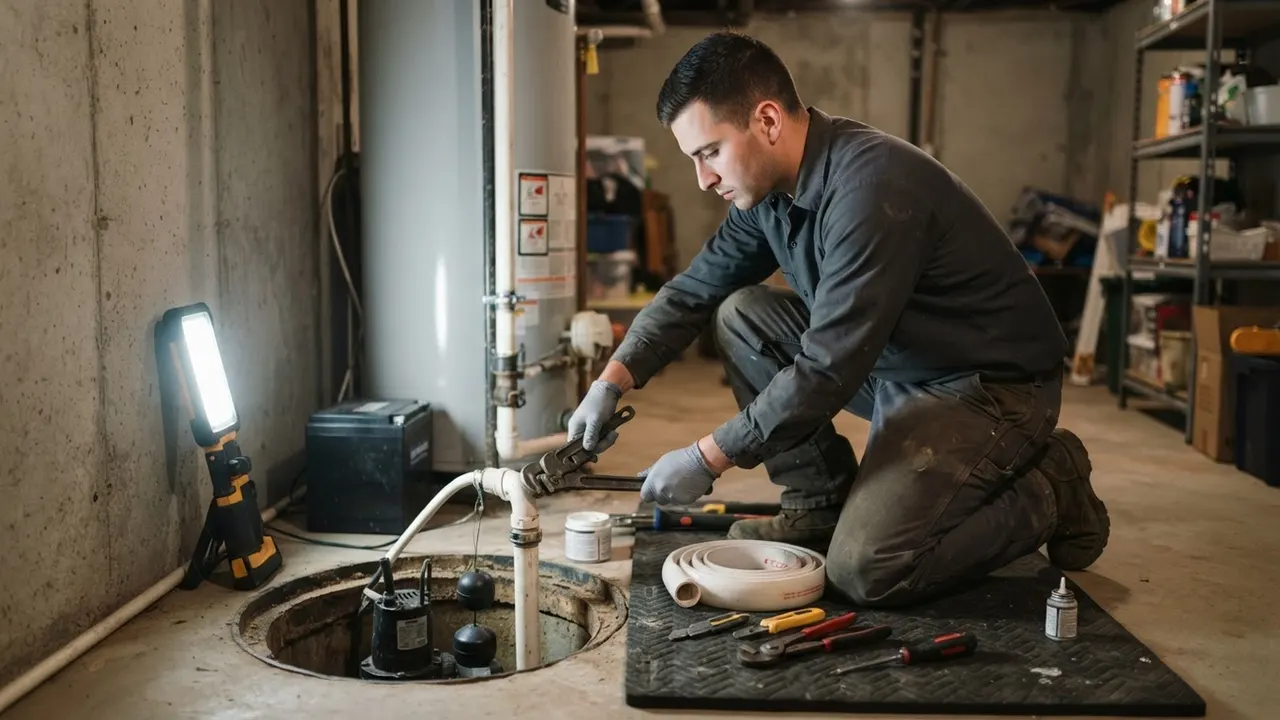
Test a sump pump by slowly pouring water into the pit until the float rises and the pump starts. Listen for grinding, rattling, or repeated cycling, and confirm that the discharge line carries water away from the foundation. A pump that runs but sends water right back beside the house is not solving the problem.
For a home in an older, denser part of the city, paying attention to entrances and below-grade spaces is worthwhile; Water Damage Removal in Downtown Lynn reflects the kind of local conditions that make a sound drainage plan important. Keep basement doors and window wells clear so you can inspect them without moving stored items during a downpour.
Protect belongings and plan for power loss
Lynn homeowners should move irreplaceable papers, electronics, medications, and low-stored furniture above the floor before a storm, preferably to an upper level. Store smaller valuables in sealed plastic bins on shelving at least 12 inches high, and leave a clear path to the electrical panel and sump pit.
Place cardboard boxes, rugs, and upholstered items somewhere dry; these materials absorb water quickly and are difficult to dry thoroughly. If you cannot move a heavy appliance or cabinet, elevate it only with stable, purpose-made supports-improvised blocks can slip when a floor gets wet. Keep photos of serial numbers and receipts in a cloud account or another location outside the basement.
Power interruptions can stop a standard sump pump. If your home is prone to flooding, ask a qualified electrician or pump professional whether a battery backup or water-powered backup suits your setup. Test backup equipment according to its manufacturer's instructions, and replace batteries at the interval specified on the label; do not wait for the first outage to discover a dead battery.
Put a flashlight, charged power bank, basic first-aid supplies, and important contact numbers where you can reach them without entering a flooded room. If water reaches electrical outlets, appliances, or the panel, stay out. Do not step into standing water to unplug equipment or retrieve belongings.
Use a storm water protection checklist for Lynn homeowners
A storm water protection checklist for Lynn homeowners should cover drainage, the basement, emergency supplies, and what you will do if water gets inside. Save this short version on your phone and use it before a coastal storm brings heavy rain to Lynn.
- Two to three days before: Check the forecast, clear gutters and yard drains, secure outdoor items, and confirm that downspouts carry water away from the house.
- The day before: Test the sump pump and backup, move valuables off basement floors, and photograph the rooms most at risk.
- As rain starts: Watch for water at window wells, bulkheads, and foundation corners from a safe place; keep children and pets away from standing water.
- After the storm: Check the basement and ceilings for new dampness, save photos of any damage, and arrange cleanup promptly if water entered.
For many homes, five minutes of attention at the start of a storm is enough to catch a downspout that has shifted or a window well filling with leaves. Do not go outside in high winds or lightning to make repairs. Wait until conditions are safe, and use local emergency alerts to guide decisions about travel and evacuation.
Common mistakes that leave Lynn homes exposed
Common storm-preparation mistakes in Lynn include sending roof runoff toward the foundation, waiting until rain begins to test a pump, and storing valuables directly on a basement floor. Each mistake is easy to overlook during dry weather.
One frequent problem is a downspout extension that ends beside a basement window or on a short, flat stretch of ground. Another is piling leaves over a drain because it looks clear from a distance. Check the water's actual route after a light rain, but do not deliberately flood an area to test it.
Do not assume a sump pump makes a basement floodproof. Pumps depend on power, a clear discharge, and equipment that works when needed. A pump also cannot stop water entering through a roof leak, an overwhelmed drain, or an open bulkhead.
Finally, do not start a cleanup in contaminated or electrically hazardous water. Stormwater can carry debris and pollutants, while wet electrical equipment can cause shock. Avoid running a household vacuum over water, and never use a generator indoors or in a garage; keep it outdoors and at least 20 feet from windows and doors, following its manufacturer's instructions.
When to call a professional
Call a water damage professional when storm water has entered finished rooms, soaked carpets or walls, reached electrical equipment, or left standing water you cannot safely remove. Water trapped behind baseboards or under flooring can continue damaging materials after the visible puddle is gone.
Our team at water Restoration Pros handles storm and rainwater cleanup in Lynn, including water removal and drying. If a storm has pushed water through an entry point or overwhelmed your basement, Storm and Rainwater Damage Cleanup Lynn MA is the service we provide to remove water and address affected materials. We inspect the wet areas, remove standing water, and set up drying equipment based on the materials and conditions in your home.
Call promptly if water is spreading, the ceiling is sagging, or you smell sewage. For minor dampness, take photos, keep people away from the affected area, and arrange an assessment before closing up walls or replacing flooring. One sentence about cost: restoration pricing depends on the affected area, materials, water volume, and drying time, so the work is evaluated on the actual damage rather than a single flat figure.
Frequently Asked Questions
How do I prepare my Lynn home for heavy rain?
Clear gutters and drains, extend downspouts 4 to 6 feet from the foundation, test the sump pump, and move basement valuables at least 12 inches off the floor. Check roof openings and window wells before rain starts. Keep a flashlight and charged phone available, and do not make outdoor repairs during lightning or high winds.
How do I reduce basement flooding during a storm in Lynn MA?
Keep runoff moving away from the foundation, clear window wells, and test the sump pump before each major storm. Confirm the discharge line is open and sends water away from the house. If the pump has no backup and outages are a concern, ask a qualified professional about a battery or water-powered backup system.
What should homeowners move before a flood?
Move documents, photographs, medications, electronics, and valuables to an upper floor or a shelf at least 12 inches above the basement floor. Lift rugs and small furniture if you can do so safely. Leave access to the sump pit and electrical panel, and do not enter a room where standing water may contact electricity.
Does a sump pump help prevent storm water damage?
Yes, a working sump pump can remove groundwater that collects in its pit, but it cannot prevent every source of flooding. It depends on power, a clear discharge line, and a functioning float and motor. Test it before heavy rain and consider a backup if your basement has flooded during outages.
When should I call for storm water cleanup?
Call as soon as storm water enters your home, especially if it reaches finished materials, covers more than a small area, or contacts electrical equipment. Fast water removal and drying reduce the time materials stay wet. Stay out of water near outlets or appliances and call emergency services if there is immediate danger.
Get help with Water Damage Removal in Lynn
If storm water has entered your Lynn home, water Restoration Pros can remove standing water and dry affected areas. Call 781-288-8068 for help.